
Why is Guyana Unpopular and How to Reach It?
Despite its remarkable natural beauty and rich cultural tapestry, Guyana remains one of South America’s most overlooked destinations. Limited international marketing, misconceptions about safety, and its relatively undeveloped tourism infrastructure contribute to its unpopularity. Most travelers arrive via Cheddi Jagan International Airport, about 40 km from Georgetown, the capital. Direct flights connect Guyana to major hubs like New York, Toronto, and Miami, while regional flights are available from Brazil and Suriname. The adventure of getting there almost guarantees a unique experience far from the typical tourist crowds.
Country, Region, Surroundings, Climate, and Landscapes
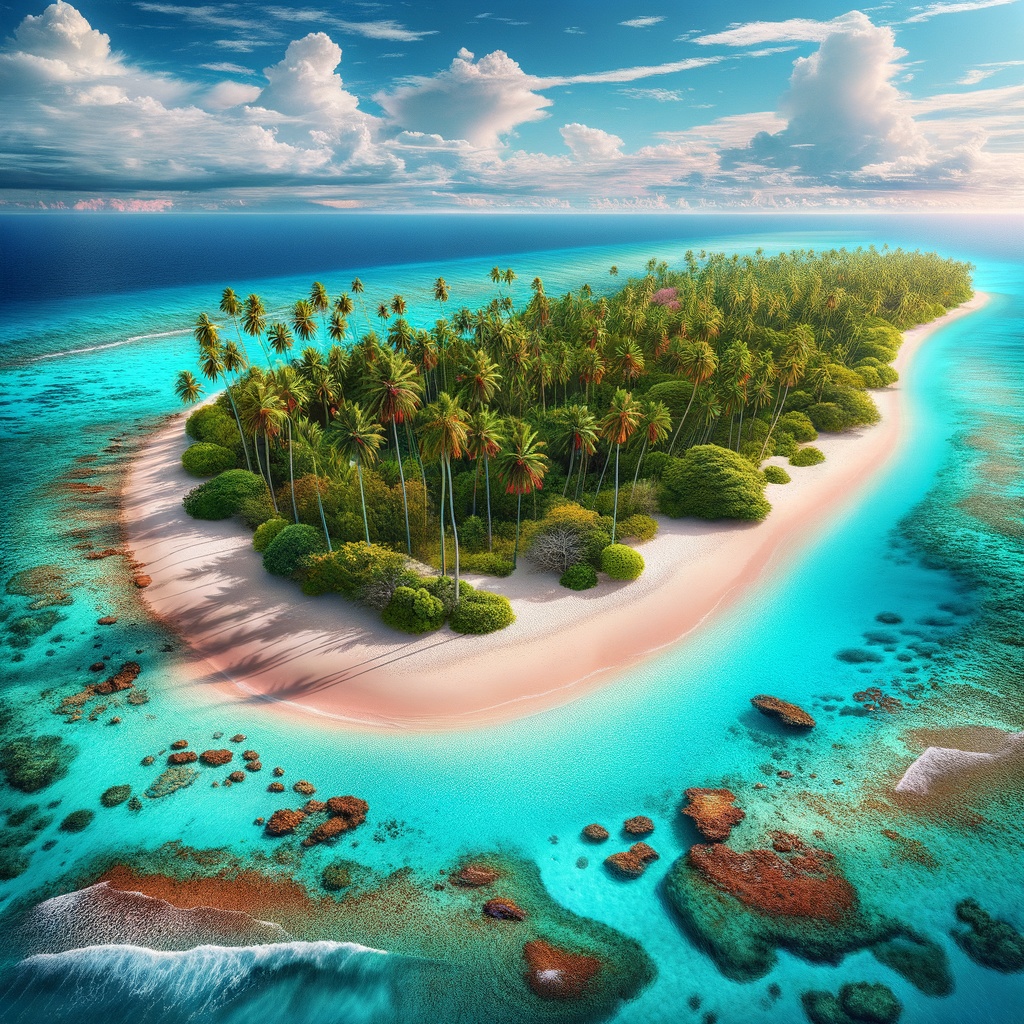
Guyana is located on the northern coast of South America, bordered by Venezuela, Brazil, Suriname, and the Atlantic Ocean. The country is a blend of Caribbean and South American influences, with a landscape dominated by dense rainforests, sprawling savannahs, mighty rivers, and towering waterfalls. The Rupununi region in the south is famous for its vast wetlands and grasslands, while the Pakaraima Mountains provide dramatic backdrops in the west. The climate is equatorial, with a hot, humid atmosphere year-round and two main rainy seasons. Its untouched wilderness makes it a haven for adventure seekers and nature lovers alike.
Traditions, Historical Sites, Architecture, Museums, and Cultural Heritage
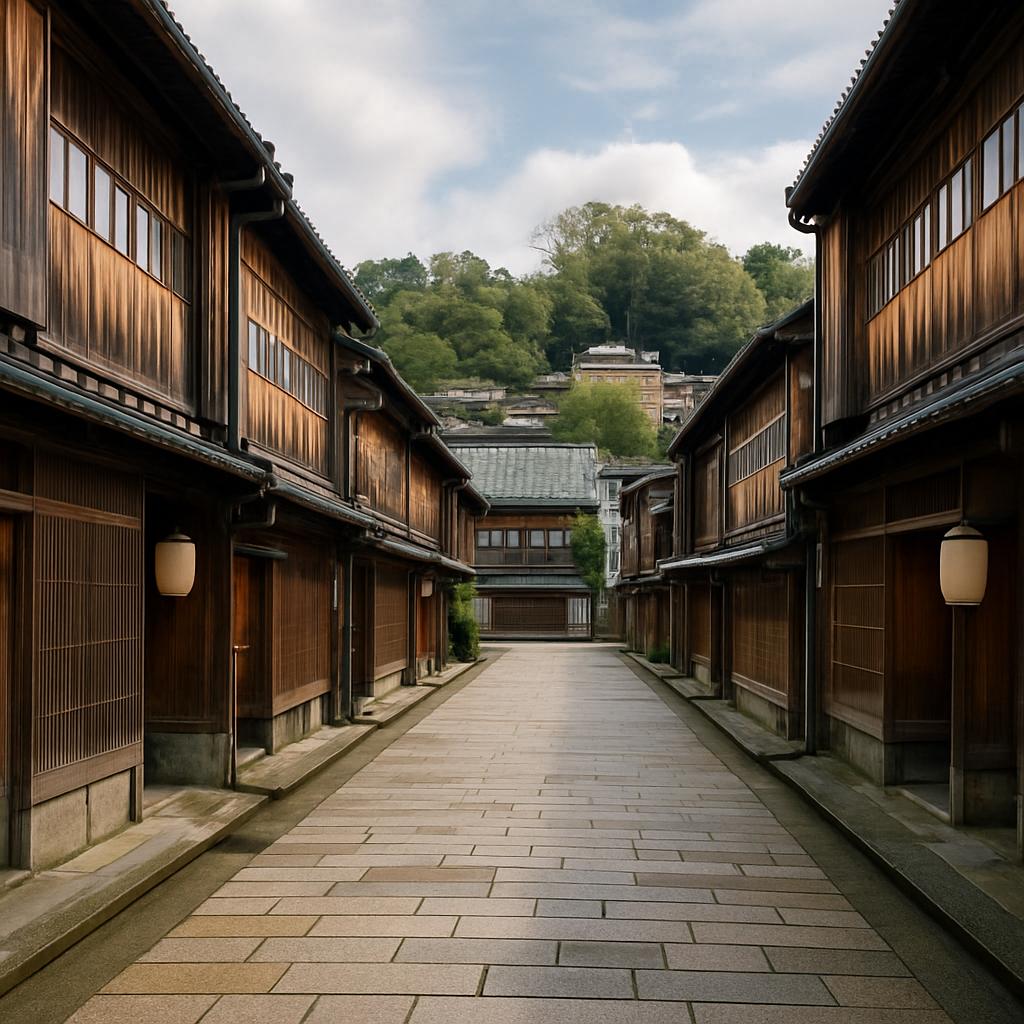
Guyana’s cultural mosaic is shaped by its Amerindian, African, Indian, European, and Chinese heritage. Georgetown, known for its colonial-era wooden architecture, is home to St. George’s Cathedral—one of the world’s tallest wooden churches. The city’s National Museum offers insights into the country’s history, while the Walter Roth Museum highlights its Indigenous roots. Annual festivals like Mashramani celebrate Guyana’s diverse traditions with vibrant music, dance, and parades. Local crafts, folkloric stories, and a strong sense of community are found in both urban and rural areas, reflecting the country’s proud and complex past.
Nature & Activities
Guyana boasts some of the most pristine ecosystems in South America. The iconic Kaieteur Falls, one of the world’s tallest single-drop waterfalls, is a must-see, surrounded by lush rainforest teeming with rare wildlife such as the golden frog and Guiana cock-of-the-rock. The Iwokrama Rainforest Reserve offers guided canopy walks, river excursions, and opportunities to spot jaguars and giant river otters. Birdwatchers are drawn to the country’s 800+ species, while the Rupununi savannah provides a playground for horseback riding, fishing, and cultural immersions with Amerindian communities. Guyana’s raw beauty invites exploration for those craving true adventure.
Flavors of Guyana: A Culinary Adventure
Guyana’s cuisine is a remarkable blend of its diverse cultural heritage—African, Indian, Amerindian, Chinese, and European influences culminate in dishes bursting with flavor. The national dish, pepperpot, is a slow-cooked meat stew enriched with cassareep (a unique cassava sauce) and spices, traditionally enjoyed during festive occasions. Other must-try specialties include curry with roti, cook-up rice (a hearty one-pot rice dish), and Metemgee, a rich soup of dumplings, root vegetables, and coconut milk. Street food stalls and bustling markets, like Stabroek Market in Georgetown, offer fresh tropical fruits, fried plantains, and saltfish fritters, providing a taste of daily Guyanese life. For authentic local experiences, visit backyard restaurants or “creole kitchens” serving home-style meals. Seafood lovers will appreciate the fresh catches from the Atlantic, often paired with local rum or the celebrated El Dorado 12-Year-Old—a world-class Demerara rum. While Guyana is not a wine country, its craft beers and inventive fruit punches are worth sampling. Whether you’re dining riverside or at a market stall, Guyana’s food scene promises to surprise and delight.
Where to Stay: From Rainforest Lodges to Urban Comforts
Accommodations in Guyana cater to a range of tastes and budgets. In Georgetown, you’ll find modern hotels like the Marriott or Pegasus, offering comfort and amenities for urban explorers. For a more intimate experience, colonial guesthouses and boutique inns provide personalized service and local character. Adventurers heading into the interior can stay at eco-lodges such as Iwokrama River Lodge or Surama Eco-Lodge, where indigenous communities host guests in sustainable surroundings with direct access to the rainforest and wildlife. Whether you prefer city convenience or immersive nature escapes, Guyana’s accommodations ensure restful nights after exhilarating days.
Festivals, Nightlife, and Shopping: Savoring Local Culture
Guyana’s vibrant festivals are windows into its multicultural soul. Mashramani, the country’s carnival-style Republic Day celebration in February, fills the streets with parades, music, and colorful costumes. The Diwali festival lights up homes and public spaces each autumn, while Phagwah (Holi) brings exuberant color-throwing and joyful gatherings. In Georgetown, nightlife pulses with rhythms from reggae and soca to live jazz—explore bars and clubs along Main Street or Brickdam for a taste of local revelry. In smaller towns, community bars and rum shops offer spirited evenings and friendly conversations. Shopping enthusiasts can browse Stabroek and Bourda markets for handmade crafts, jewelry, and Amerindian artifacts. Look for intricate balata figurines, woven baskets, and vibrant textiles—unique souvenirs that support local artisans. Whether you’re dancing at a festival, sipping cocktails under the stars, or hunting for treasures in a bustling market, Guyana’s cultural scene is engaging and authentic.
Travel Essentials: Timing, Budget, and Practicalities
The best time to visit Guyana is during the dry seasons, from February to April or late August to November—ideal for wildlife spotting and exploring rainforests. Travel costs are moderate by South American standards; eco-lodges and guided tours may be pricier but offer exceptional value. Guyana is generally safe, though standard precautions apply in urban areas. English is the official language, making travel smooth for anglophones, while Guyanese Creole adds local flavor. The currency is the Guyanese Dollar (GYD), and US dollars are widely accepted. Entry requirements include a valid passport; some nationalities need a visa, so check ahead. With these essentials in mind, Guyana welcomes curious travelers seeking adventure off the beaten path.