Why Isle Royale Remains Unpopular and How to Get There
Isle Royale, located in the far reaches of Lake Superior, Michigan, remains one of North America’s least-visited national parks. Its unpopularity stems from its remote location, requiring a significant commitment to reach. No roads connect to Isle Royale; visitors must travel by ferry, seaplane, or private boat from Michigan or Minnesota. The limited access and lack of modern amenities deter the casual traveler, preserving its untouched wilderness. However, for those seeking genuine solitude, the journey is well worth the effort.
Country, Region, Surroundings, Climate, and Landscapes
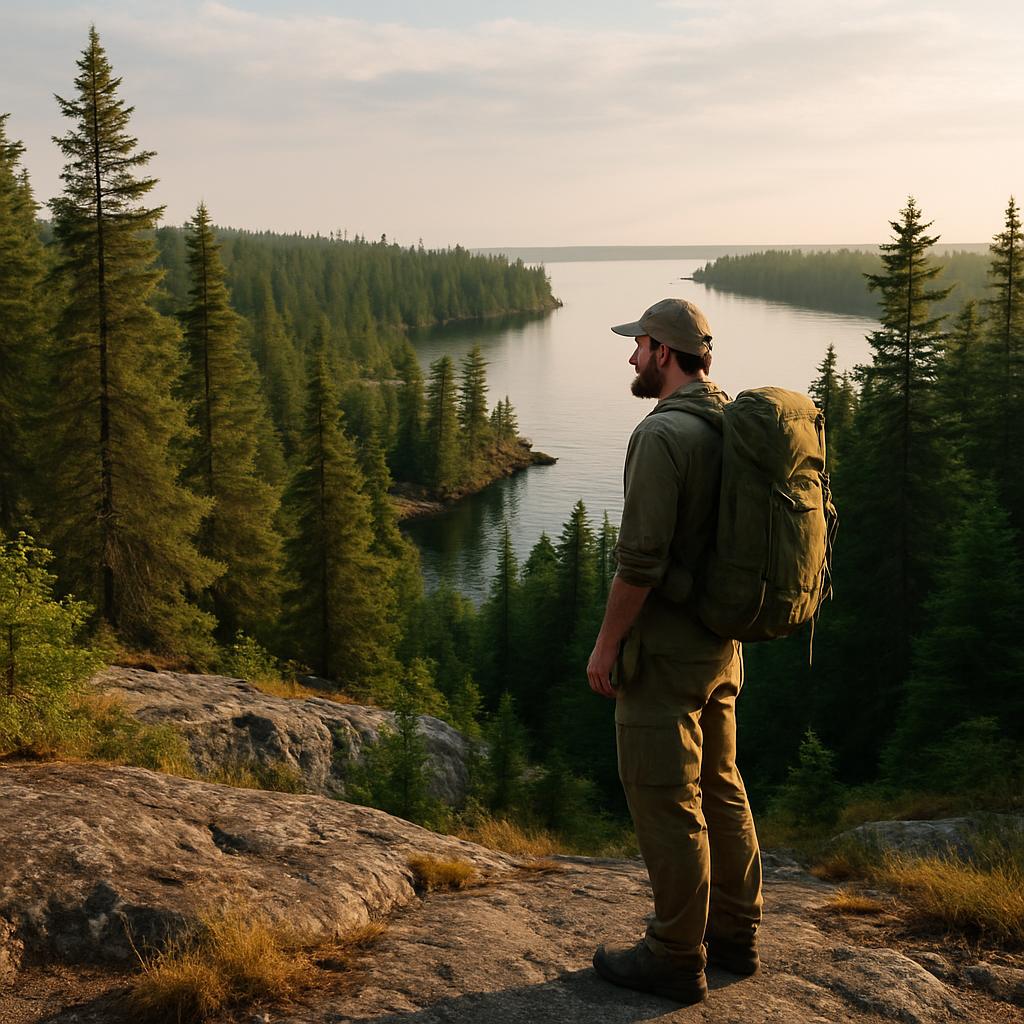
Situated in the United States, Isle Royale is a part of Michigan, nestled within the vast expanses of Lake Superior. The island is surrounded by cold, pristine waters and over 400 smaller islets, creating a labyrinth of rugged shorelines and tranquil bays. The climate is characterized by cool temperatures, with mild summers and harsh, snowy winters, resulting in a limited visitor season from mid-April to late October. Isle Royale’s landscape features dense boreal forests, rocky ridges, inland lakes, and wetlands, offering a dramatic contrast between lush greenery and craggy coastlines. The island’s isolation fosters unique flora and fauna, making it a living laboratory of ecological diversity.
Traditions, Historical Sites, Architecture, Museums, and Cultural Heritage
Isle Royale boasts a rich cultural heritage shaped by its indigenous Ojibwe inhabitants and later, European settlers drawn by its copper deposits. Remnants of prehistoric copper mining—among the oldest in North America—are scattered across the island, while historic lighthouses like Rock Harbor Light and ancient fishing camps evoke the challenges of early life here. The island’s few buildings, such as rustic cabins and ranger stations, blend seamlessly with the natural environment, reflecting the National Park Service’s commitment to preservation. The Rock Harbor Visitor Center serves as a small museum, showcasing artifacts and exhibits on local geology, wildlife, and the island’s maritime history, offering a rare glimpse into its storied past.
Nature & Activities
Nature reigns supreme on Isle Royale, which is designated as a UNESCO Biosphere Reserve. The island is famed for its wild moose and elusive wolves, whose predator-prey relationship has been studied for decades. Over 165 miles of hiking trails wind through forests, along ridges, and beside crystal-clear lakes, making it a paradise for backpackers and nature enthusiasts. Canoeing and kayaking opportunities abound in sheltered bays and inland waterways, while divers are drawn to the numerous shipwrecks beneath Lake Superior’s surface. With virtually no roads or vehicles, outdoor activities are immersive and uninterrupted, providing an unparalleled escape into the heart of North America’s wilderness.
Local Cuisine and Culinary Experiences
Isle Royale’s remote setting means that its culinary scene is as unique as its wilderness. The island does not boast bustling markets or a wide array of restaurants; instead, the cuisine here centers on simplicity and sustainability. Most visitors prepare their own meals, often featuring the bounty of the surrounding waters—freshly caught lake trout is a staple, cooked over a campfire after a rewarding day of fishing. The few on-island establishments, such as the Rock Harbor Lodge Restaurant and Greenstone Grill, offer hearty fare with local influences. Expect dishes showcasing wild berries, smoked fish, and locally foraged mushrooms. Beverages are limited, but you can savor a glass of Michigan craft beer or a bottle of regional wine while soaking in sunset views. If you’re looking for souvenirs, preserved smoked fish and jams made from thimbleberries are popular take-home treats. While the island does not have traditional markets, many visitors enjoy gathering wild berries in season—just be sure to follow park guidelines and leave enough for local wildlife. The Isle Royale culinary experience is all about freshness, resourcefulness, and enjoying nature’s pantry.
Accommodation Options
Accommodation on Isle Royale is designed for nature lovers seeking tranquility and immersion in the wild. The island offers a handful of options, ranging from rustic campgrounds to cozy lodge rooms. Backpackers and adventurers can choose from 36 wilderness campsites spread across the island, many offering stunning lakeside views. For those seeking more comfort, the Rock Harbor Lodge provides simple, comfortable rooms and lakeside cottages with basic amenities. Housekeeping cabins are also available, ideal for families or groups. Reservations are highly recommended, especially in peak season. Keep in mind, amenities are limited—there’s no Wi-Fi, and cell service is virtually nonexistent, which only enhances the island’s peaceful, off-grid appeal.
Festivals, Events, Nightlife, and Shopping
Isle Royale is not a destination for those seeking vibrant nightlife or bustling shopping districts. Instead, the island’s calendar is shaped by nature and the rhythms of the wilderness. Ranger-led programs, including evening talks, guided hikes, and wildlife watching events, are held throughout the summer, offering insightful glimpses into local ecology and history. The annual Isle Royale Wolf-Moose Study draws wildlife enthusiasts, while occasional stargazing nights make the most of the island’s dark skies. As for nightlife, evenings are spent around campfires, sharing stories or simply listening to the haunting calls of loons across the water. Shopping is limited to small gift shops at Rock Harbor and Windigo, where you’ll find souvenirs, books, maps, and essential camping supplies. The island’s true treasures are the memories and connections forged in such a pristine, unplugged environment.
Practical Information: When to Go, Costs, and Essentials
The best time to visit Isle Royale is between mid-June and early September, when ferry services operate and the weather is mild. Costs can range from modest (for campers) to moderate (for lodge guests), with ferry transport, park entrance fees, and accommodation being the main expenses. The island is very safe; petty crime is virtually nonexistent, but visitors should be prepared for unpredictable weather and rugged terrain. English is spoken, and the currency is US dollars. Entry requirements are straightforward for US citizens, but international visitors should check visa requirements. Note that Isle Royale is accessible only by boat or seaplane, and advance planning is essential due to limited services and strict preservation policies.