
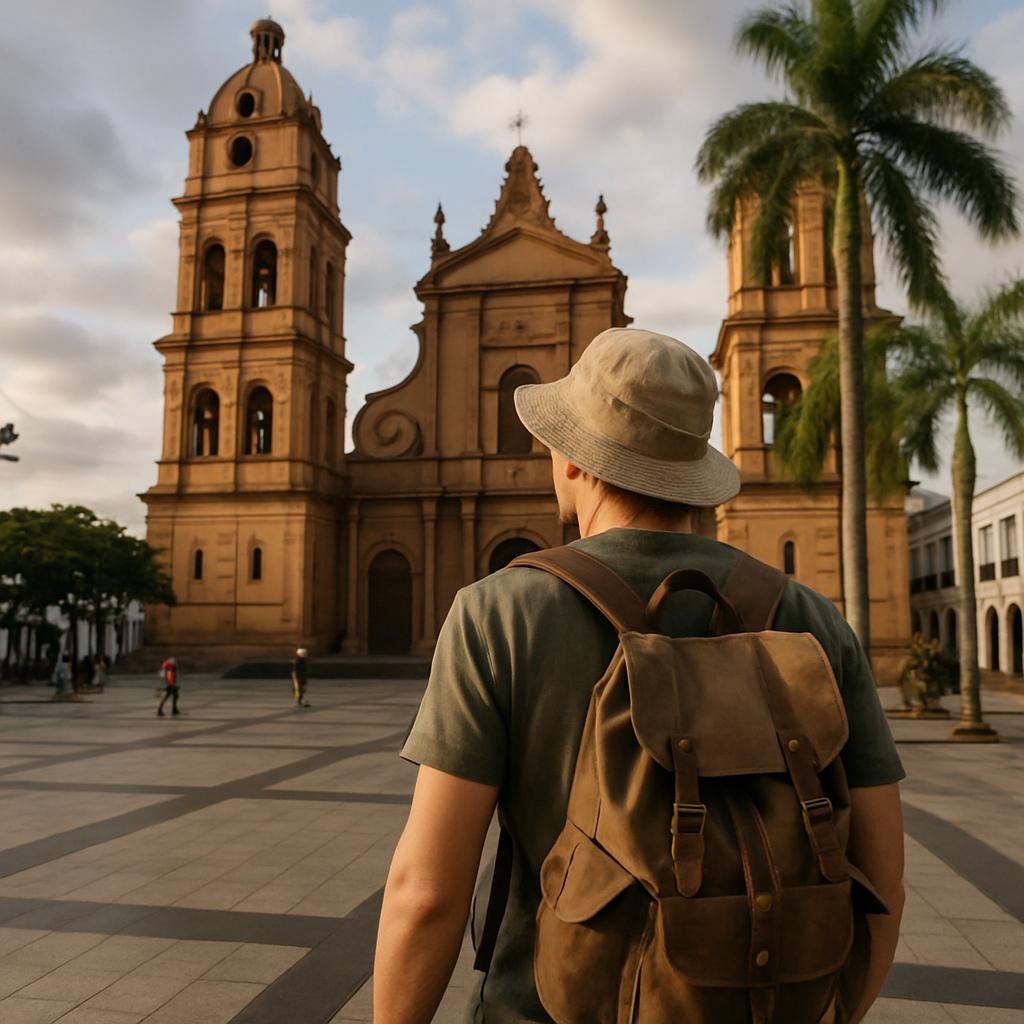
Why Santa Cruz de la Sierra Remains Unpopular—and How to Get There
Despite being Bolivia’s largest city, Santa Cruz de la Sierra remains largely overlooked by international travelers. Most visitors bypass it in favor of the more famous Altiplano destinations like La Paz or Uyuni. Its lowland setting, modern urban sprawl, and reputation as a business hub often mask its unique cultural and natural treasures. However, reaching Santa Cruz is straightforward: it is served by Viru Viru International Airport (VVI), Bolivia’s primary international gateway, with direct flights from major South American cities and some flights from North America and Europe. From the airport, the city center is a quick taxi or bus ride away.
Location, Region, and Landscapes: The Heart of Bolivia’s Lowlands
Santa Cruz de la Sierra lies in the eastern lowlands of Bolivia, within the vast Gran Chaco region. The city is located at an elevation of just 416 meters (1,365 feet) above sea level, setting it apart from Bolivia’s high-altitude cities. It is surrounded by lush tropical forests, fertile agricultural lands, and rivers that feed into the Amazon Basin. The region’s climate is tropical, with warm temperatures year-round and a distinct wet season from November to March. The landscape transitions from urban avenues and parks to the lush outskirts, where palm trees, wetlands, and patches of jungle are never far away. This position gives Santa Cruz a vibrancy and biodiversity unique within Bolivia.
Traditions, Historical Sites, and Cultural Heritage
Santa Cruz de la Sierra boasts a rich tapestry of traditions influenced by indigenous Guaraní heritage and Spanish colonial roots. The city’s historic center, built around the Plaza 24 de Septiembre, showcases colonial-era architecture, with the striking Cathedral Basilica of St. Lawrence as its crown jewel. Wandering the streets, you’ll encounter pastel-hued facades, wooden balconies, and shaded courtyards. The city is home to several notable museums, including the Museo de Historia and the Ethno-Folkloric Museum, which delve into the region’s indigenous past and colonial legacy. Local festivals, such as Carnaval cruceño and the Fiesta de la Virgen de Cotoca, burst with music, dance, and colorful parades, revealing the city’s deep sense of cultural pride.
Nature and Activities: Exploring Santa Cruz’s Wild Side
Nature lovers will find plenty to explore in and around Santa Cruz de la Sierra. The nearby Lomas de Arena Regional Park features surreal dunes and lagoons, perfect for sandboarding and birdwatching. Just a short drive away, Amboró National Park offers one of South America’s most biodiverse rainforests, teeming with monkeys, jaguars, and over 800 bird species. The city’s botanical garden provides a lush introduction to the native flora, while the nearby towns of Samaipata and Buena Vista are gateways to ancient ruins, cloud forests, and cascading waterfalls. Adventure seekers can hike, horseback ride, or join river excursions, making Santa Cruz a surprising hub for outdoor activities.
Local Cuisine: A Gastronomic Adventure
Santa Cruz de la Sierra offers a vibrant culinary landscape that reflects its unique blend of indigenous and colonial influences. Begin your food journey at the bustling Mercado Nuevo or Mercado Los Pozos, where vendors serve up traditional dishes like majau (rice with dried, shredded beef), locro (hearty chicken and rice soup), and salteñas (Bolivia’s famous juicy baked empanadas). The city is also known for its delicious yuca (cassava) and sonso (grilled cheese and yuca sticks), perfect as quick snacks. For a more upscale dining experience, try restaurants like Jardin de Asia or El Aljibe, which offer contemporary takes on regional classics. Santa Cruz’s subtropical climate also supports a thriving fruit market, so don’t miss out on fresh mangoes, achachairú, and guabirá. When it comes to drinks, sample chicha (a fermented corn beverage) or local wines from the valleys of Tarija. For a modern vibe, downtown bars serve inventive cocktails crafted with Bolivian spirits such as singani. Whether you’re a street food enthusiast or a gourmet seeker, Santa Cruz’s food scene is sure to delight your palate.
Accommodation: Comforts for Every Traveler
From luxurious hotels to cozy guesthouses, Santa Cruz de la Sierra caters to all budgets and preferences. The city’s upscale neighborhoods, such as Equipetrol, feature international hotel chains like Marriott and Camino Real, offering top-notch amenities, pools, and fine dining. Boutique hotels and stylish hostels in the city center provide a more personalized atmosphere, often including breakfast and helpful staff who can arrange tours or transportation. For those seeking a homey vibe or longer stays, serviced apartments and Airbnb options abound, especially near the city’s lively plazas. Regardless of your choice, you’ll find Santa Cruz’s accommodations to be warm, welcoming, and a perfect base for your explorations.
Festivals, Events, Nightlife, and Shopping
Life in Santa Cruz is infused with celebration and energy. The city’s calendar is dotted with traditional festivals, the most famous being Fiesta de la Virgen de Cotoca each November and the vibrant Carnaval Cruceño in February or March. Expect parades, music, dancing, and spectacular costumes. Throughout the year, open-air concerts and art fairs enliven the city’s plazas. As the sun sets, Santa Cruz’s nightlife awakens—trendy bars, nightclubs, and live music venues cluster around the Equipetrol district, offering something for every mood, from salsa to electronic beats. For shoppers, the city is a treasure trove of opportunities: modern malls such as Ventura Mall and Las Brisas offer international brands, while artisanal markets showcase Bolivian handicrafts, leather goods, and intricate jewelry. Whether you’re seeking cultural immersion, a night on the town, or retail therapy, Santa Cruz delivers with style and flair.
Practical Tips: When to Go and What to Know
The best time to visit Santa Cruz is during the dry season from May to September, when temperatures are pleasant and rainfall is minimal. The city is generally affordable—meals, transport, and accommodations suit a range of budgets, though prices can spike during festivals. Safety is comparable to major South American cities; exercise standard precautions, especially at night and in crowded markets. Spanish is the main language, but English is spoken in tourist hubs. The currency is the Bolivian boliviano (BOB), with ATMs widely available. Most visitors require only a valid passport for short stays, but check visa requirements based on your nationality before traveling. With a bit of planning, Santa Cruz’s warmth and hospitality will make your trip seamless and memorable.