Why is Zinder Unpopular and How to Reach It?
Zinder, the second-largest city in Niger, remains largely off the radar for most travellers. Its unpopularity is due to limited international exposure, infrequent flight connections, and a reputation overshadowed by safety concerns in the broader region. However, Zinder is accessible by domestic flights from Niamey, Niger’s capital, and by road from other major cities. Adventurous travellers can also reach Zinder via overland bus routes from neighbouring countries, making it an intriguing destination for those seeking an authentic experience away from the crowds.
Country, Region, Surroundings, Climate, and Landscapes
Located in southeastern Niger, Zinder is at the crossroads of the Sahel and the Sahara Desert. The city sits in a transitional zone where the arid landscapes of the north meet the greener, more fertile southern regions. Zinder benefits from a hot, semi-arid climate with distinct dry and rainy seasons, the latter bringing brief but dramatic bursts of greenery. The surroundings feature a captivating mix of sand dunes, acacia groves, and rocky outcrops, reflecting the diversity of Nigerien geography. Its strategic position on ancient Saharan trade routes has shaped its development, making it a fascinating blend of influences from both north and south.
Traditions, Historical Sites, Architecture, Museums, and Cultural Heritage
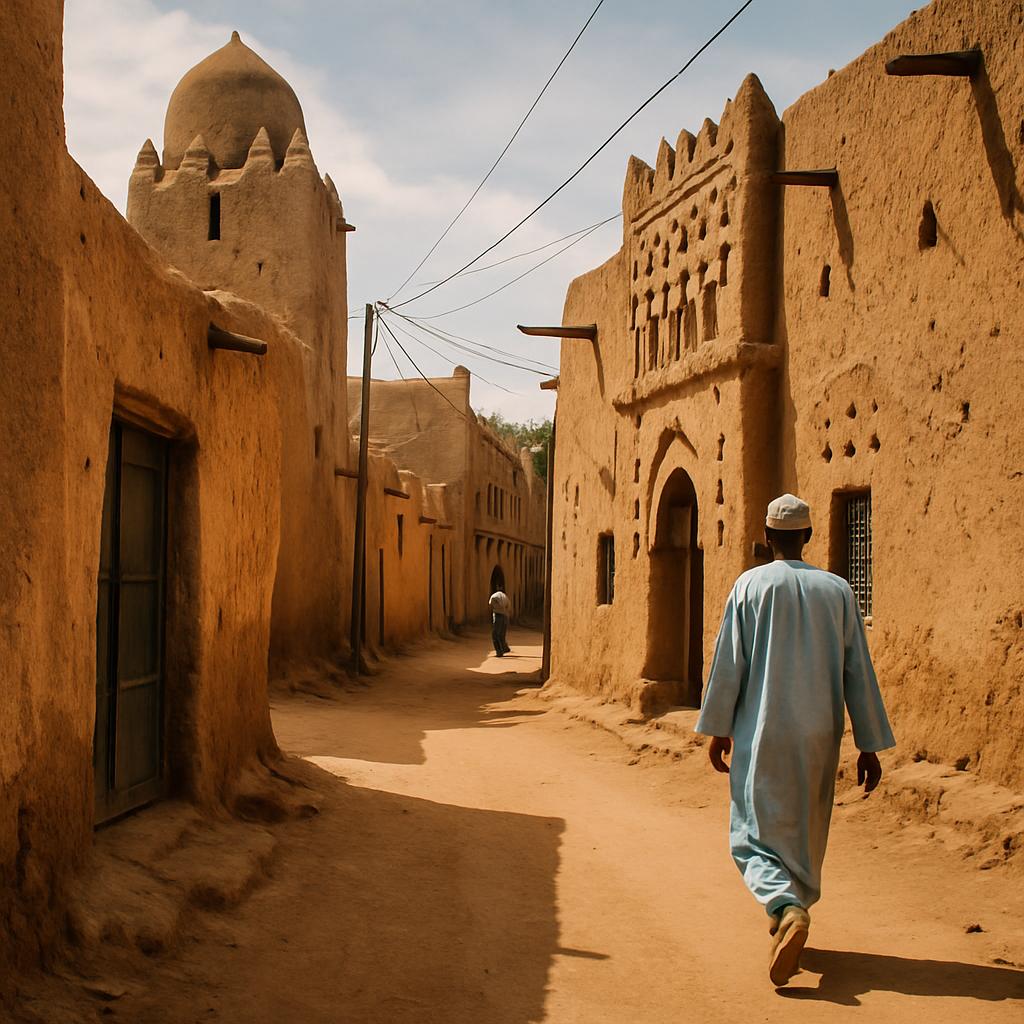
Zinder’s rich tapestry of traditions and history is evident throughout the city. Once the capital of Niger’s Sultanate, the old quarter—Birni—boasts winding alleys, mud-brick houses, and ornate doorways that speak to centuries of craftsmanship. The Sultan’s Palace, an architectural gem, remains a symbol of authority and tradition, often hosting vibrant celebrations and ceremonies. Zinder’s Grand Mosque stands as another testament to Islamic architectural heritage. The regional museum offers insight into Hausa culture, with exhibits on traditional crafts, musical instruments, and local history. Exploring Zinder is a journey into the heart of Niger’s cultural identity, preserved in its buildings and daily life.
Nature & Activities
Nature lovers will appreciate Zinder’s proximity to striking desert landscapes and savannahs that beckon for exploration. Outdoor activities include guided excursions to nearby sand dunes for sunrise or sunset views, birdwatching in the seasonal wetlands, and visits to village markets where local artisans sell their wares. Adventurous travellers can arrange multi-day treks into the Sahel, encountering nomadic communities and learning about their sustainable way of life. Zinder also offers opportunities to participate in traditional festivals, sample regional cuisine, and experience the rhythm of daily life in an undiscovered African city where authenticity and hospitality go hand in hand.
Local Cuisine: A Sensory Adventure
Zinder’s culinary landscape is a tantalizing journey through traditional Hausa and Nigerien flavors. At the bustling central market, visitors can sample street food staples like fura da nono (millet balls with fresh milk), suya (spicy grilled meat skewers), and moringa soups. These markets are alive with the aroma of sizzling meats and the vibrant chatter of vendors selling fresh produce, fragrant spices, and handmade snacks. For a sit-down experience, local restaurants such as Le Sahelien and Chez Hadja serve up regional classics—think jollof rice, tuwo (millet porridge), and goat stew, often accompanied by zobo, a refreshing hibiscus flower drink. Tea culture is deeply rooted in Zinder; you’ll often see groups gathered over strong, sweet mint tea, a symbol of local hospitality. While wine is not common, millet and sorghum-based beers are occasionally found in discreet bars, adding a unique twist to the city’s drink offerings. Exploring Zinder’s food scene is not just about tasting—it’s about connecting with the city’s living traditions.
Accomodation: From Heritage to Hospitality
Accommodation in Zinder ranges from modest guesthouses to charming locally-run hotels. While the city does not boast international chains, establishments like Hotel Zinder and Maison des Hôtes offer clean, comfortable rooms and a warm welcome. Many hotels are set in restored colonial-era buildings, giving guests a sense of the city’s rich history. Expect basic amenities—air conditioning, private bathrooms, and sometimes Wi-Fi—at affordable rates. For a more immersive experience, some guesthouses offer home-cooked meals and opportunities to interact with local families. Advance booking is recommended, especially during festival periods, as accommodations can fill up quickly due to limited supply. Staying in Zinder promises not just rest, but genuine Nigerien hospitality.
Festivals, Events, Nightlife, and Shopping
Zinder’s calendar is punctuated by vibrant festivals that immerse visitors in Hausa culture. The most spectacular is the Guérewol Festival, a colorful courtship ritual featuring music, dance, and elaborate costumes. Religious events such as Eid al-Fitr and Eid al-Adha also transform the city with communal feasts and lively processions. While Zinder’s nightlife is relatively low-key, evenings often center around open-air tea houses where locals gather to socialize over music and storytelling. Some hotels and bars offer live music and traditional dance performances, providing a window into the region’s artistic heritage. For shopping, the Grand Marché is a treasure trove of handwoven textiles, leatherwork, silver jewelry, and Tuareg crafts. Bargaining is expected, and the friendly banter with vendors is all part of the experience. Whether you’re hunting for a unique keepsake or soaking in the festive atmosphere, Zinder offers a blend of authenticity and charm.
Practical Information: When to Go and What to Know
The best time to visit Zinder is from November to February, when temperatures are mild and the desert heat is less intense. Costs are generally affordable, with budget travelers able to get by on $30–$50 per day, covering accommodations, meals, and local transport. French and Hausa are the main languages spoken, though a few locals understand English. The local currency is the West African CFA franc (XOF). Safety is reasonable, but travelers should exercise caution, remain updated on travel advisories, and respect local customs. Visa requirements vary by nationality; most visitors need a visa, which should be arranged in advance. With a little preparation, Zinder offers intrepid explorers a safe and memorable experience off the usual tourist trail.