Why is Suriname Unpopular and How to Reach It?
Despite being nestled in the heart of South America, Suriname remains one of the continent’s most overlooked gems. Its relative obscurity can be attributed to a lack of international promotion, its small size, and its position off the beaten path of typical South American itineraries. Few direct flights from major hubs exist, but Suriname is accessible via Johan Adolf Pengel International Airport, with connections from Amsterdam, Miami, and select Caribbean cities. This sense of remoteness only adds to its allure, offering a unique escape from crowded tourist destinations.
Country, Region, Surroundings, Climate, and Landscapes
Suriname occupies the northeastern edge of South America, bordered by Guyana, French Guiana, and Brazil, while the Atlantic Ocean laps its northern shore. The majority of its population resides in the coastal capital, Paramaribo, but its true character unfolds inland—over 90% of the country is cloaked in dense tropical rainforest. The climate is equatorial, with high humidity and temperatures averaging between 24°C and 31°C year-round. Suriname’s landscapes are breathtaking: vast rivers meander through untouched jungle, savannas stretch towards the horizon, and dramatic waterfalls cascade in remote reserves. This lush backdrop offers a sense of adventure for those seeking unspoiled nature.
Traditions, Historical Sites, Architecture, Museums, and Cultural Heritage
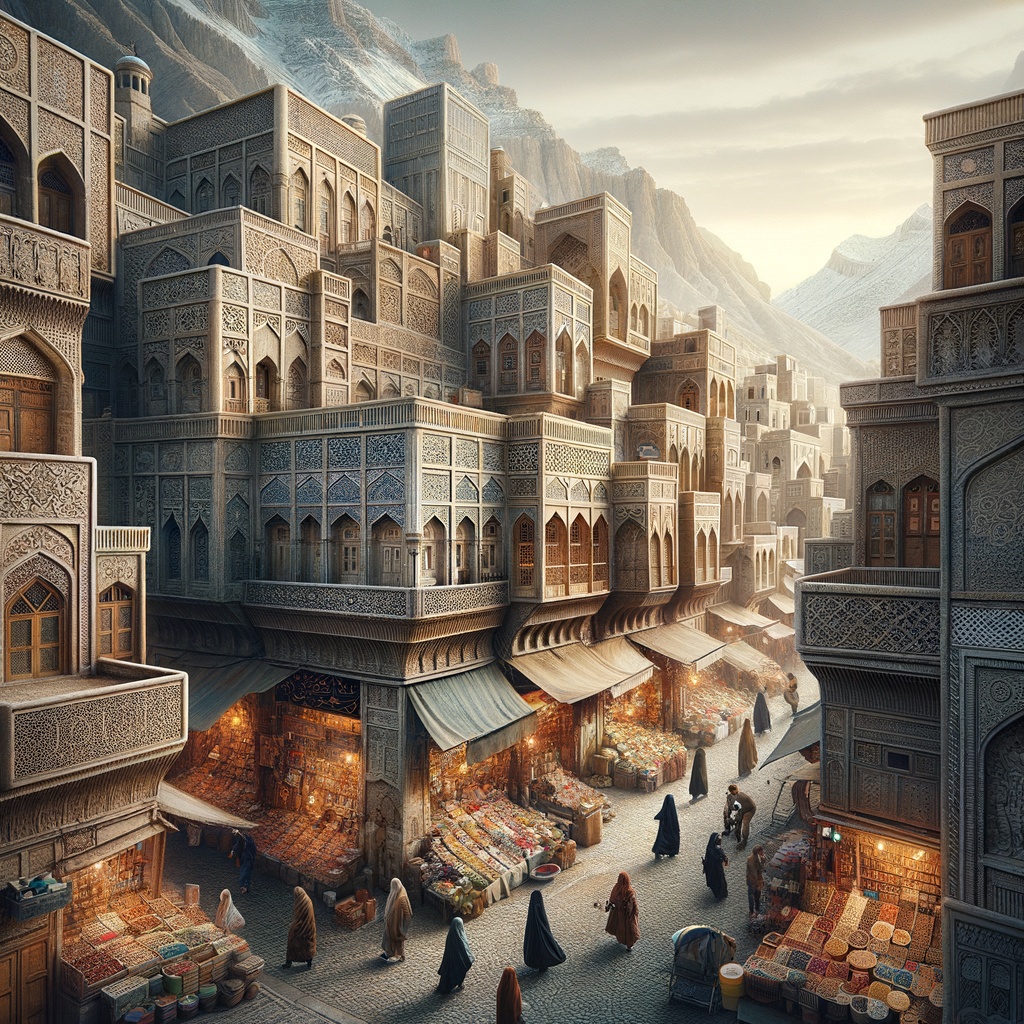
Suriname boasts a rich tapestry of cultures, shaped by its Indigenous peoples, African heritage, Dutch colonial past, and communities of Indian, Javanese, and Chinese descent. Paramaribo’s UNESCO-listed historic center is a testament to this blend, where Dutch wooden architecture stands alongside mosques, Hindu temples, and synagogues. The city’s Fort Zeelandia, once a colonial stronghold, now houses the Surinaams Museum, offering insight into the country’s past. Traditional festivals like Keti Koti (Emancipation Day) and lively street markets reflect the multicultural fabric. From Maroon villages with their preserved ancestral customs to colonial plantations along the rivers, Suriname’s cultural heritage is as diverse as its people.
Nature & Activities
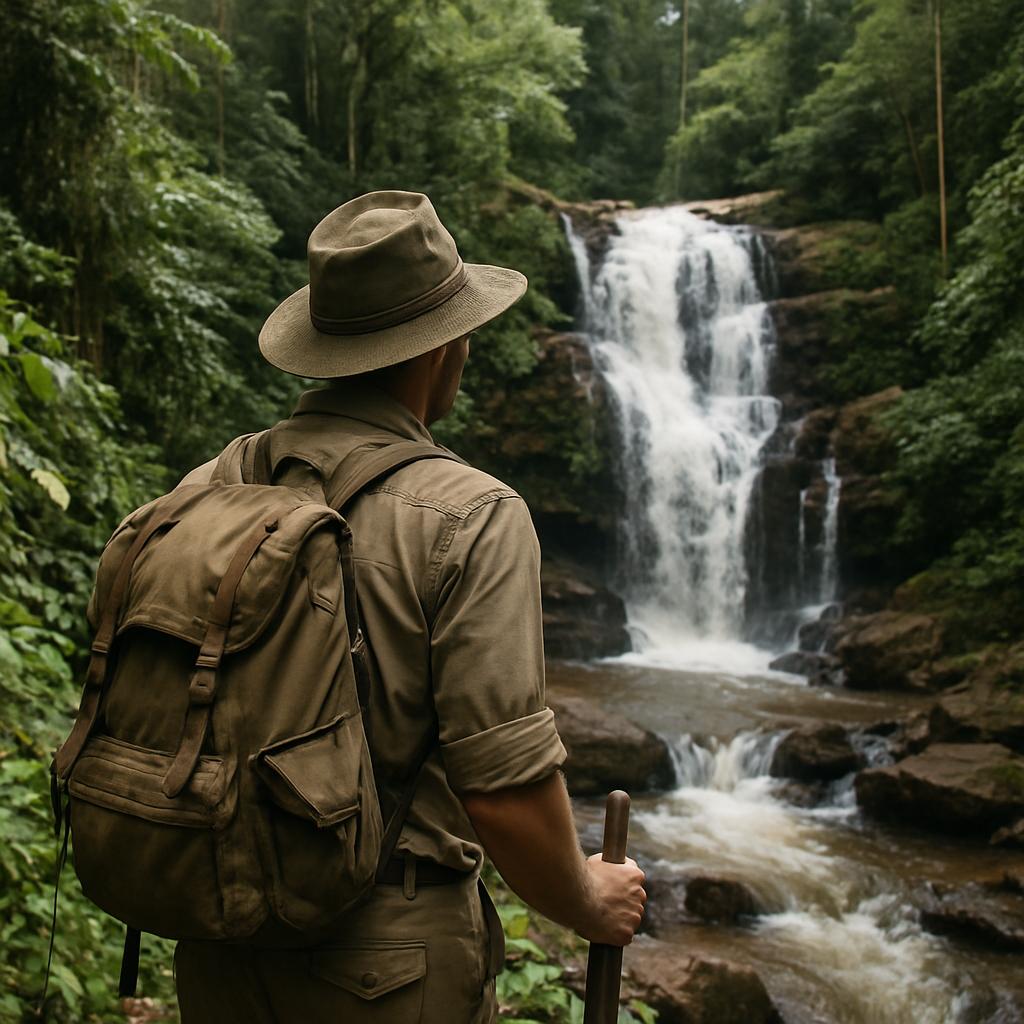
Suriname is a paradise for nature lovers and adventurers. The Central Suriname Nature Reserve, a UNESCO World Heritage site, is a vast expanse where rare wildlife such as jaguars, giant river otters, and hundreds of bird species roam free. Trekking through the rainforest, visitors can discover hidden waterfalls like Raleighvallen and Blanche Marie, or embark on river expeditions by traditional dugout canoe. The country’s rivers and lakes entice with opportunities for kayaking, fishing, and swimming. For those seeking cultural immersion, staying in eco-lodges within Indigenous or Maroon communities offers a meaningful way to experience local traditions and pristine natural surroundings.
Local Cuisine and Culinary Experiences
Suriname’s culinary tapestry is as vibrant as its cultural heritage, blending Indigenous, African, Indian, Javanese, Chinese, and Dutch influences. The capital, Paramaribo, is a paradise for food lovers, with bustling markets like the Central Market, where you can sample local produce and street food. Don’t miss the national dish, pom, a hearty casserole of chicken and tayer root, or try roti with curried chicken and vegetables, a nod to the country’s Indian community. Javanese specialties such as saoto soup and nasi goreng are popular, while Chinese-Surinamese eateries offer savory noodles and rice dishes. Seafood lovers will appreciate freshly caught fish from the Suriname River, often grilled and served with spicy sauces. For drinks, enjoy a refreshing glass of markoesa (passion fruit juice), Surinamese rum, or local Parbo beer. Restaurants range from casual open-air cafes to unique riverside spots, each offering a chance to mingle with locals and experience Suriname’s welcoming hospitality. Exploring the food scene here is truly a journey through the country’s multicultural soul.
Accommodation Options
Suriname offers a variety of accommodations to suit different tastes and budgets. In Paramaribo, you’ll find everything from stylish boutique hotels in colonial buildings to budget-friendly guesthouses and cozy homestays. For a more immersive experience, consider eco-lodges deep in the rainforest, where you can wake up to the sounds of nature and interact with Maroon or Indigenous communities. Many lodges offer all-inclusive packages, including guided tours and meals. Backpackers often choose hostels or family-run inns, while luxury travelers can opt for high-end hotels with pools and spas. Wherever you stay, expect warm service and a unique glimpse into Surinamese life.
Festivals, Events, Nightlife, and Shopping
Suriname’s diverse population ensures a lively calendar of festivals and events throughout the year. The Hindu festival of Holi Phagwa transforms Paramaribo into a riot of color and music, while Owru Yari (New Year’s Eve) is celebrated with spectacular firework displays and street parties. The annual SuriPop music festival showcases local talent and rhythms, attracting crowds from across the country. After dark, Paramaribo’s nightlife awakens with lively bars, outdoor cafes, and clubs playing everything from reggae and kaseko to Latin beats. Shopping opportunities abound in the capital’s markets and boutiques, where you can find handcrafted jewelry, colorful textiles, Maroon woodcarvings, and Javanese batik. For a truly local experience, explore the Waterkant riverside promenade, where vendors sell snacks and souvenirs amid a festive atmosphere. Whether you’re looking for unique gifts or a night on the town, Suriname’s vibrant culture will keep you entertained.
Travel Essentials: When to Go, Costs, Safety, and More
The best time to visit Suriname is during the dry seasons, from February to April and August to November, when the weather is most favorable for outdoor adventures. Travel costs are moderate; guesthouses and local meals are affordable, while guided jungle excursions and eco-lodges can be pricier. Suriname is generally safe, but standard precautions apply—keep an eye on your belongings and avoid isolated areas at night. Dutch is the official language, though Sranan Tongo and several other languages are spoken. The currency is the Surinamese dollar (SRD), and credit cards are accepted in larger establishments. Most travelers require a tourist card or visa, depending on nationality, so check entry requirements before arrival. With its welcoming atmosphere and unique blend of cultures, Suriname is a rewarding and accessible destination for adventurous travelers.