
Why Dolisie Is Unpopular and How to Reach It
Dolisie, the third-largest city in the Republic of the Congo, remains largely off the radar for international travelers. Overshadowed by the nation’s capital, Brazzaville, and the bustling port city of Pointe-Noire, Dolisie’s limited global exposure and underdeveloped tourism infrastructure contribute to its low profile. Reaching Dolisie requires a sense of adventure: most visitors fly into Pointe-Noire, then take a scenic three- to four-hour journey by train or road through verdant landscapes. The route itself is an introduction to the region’s untouched beauty, setting the tone for a truly unique African experience.
Country, Region, Surroundings, Climate, and Landscapes
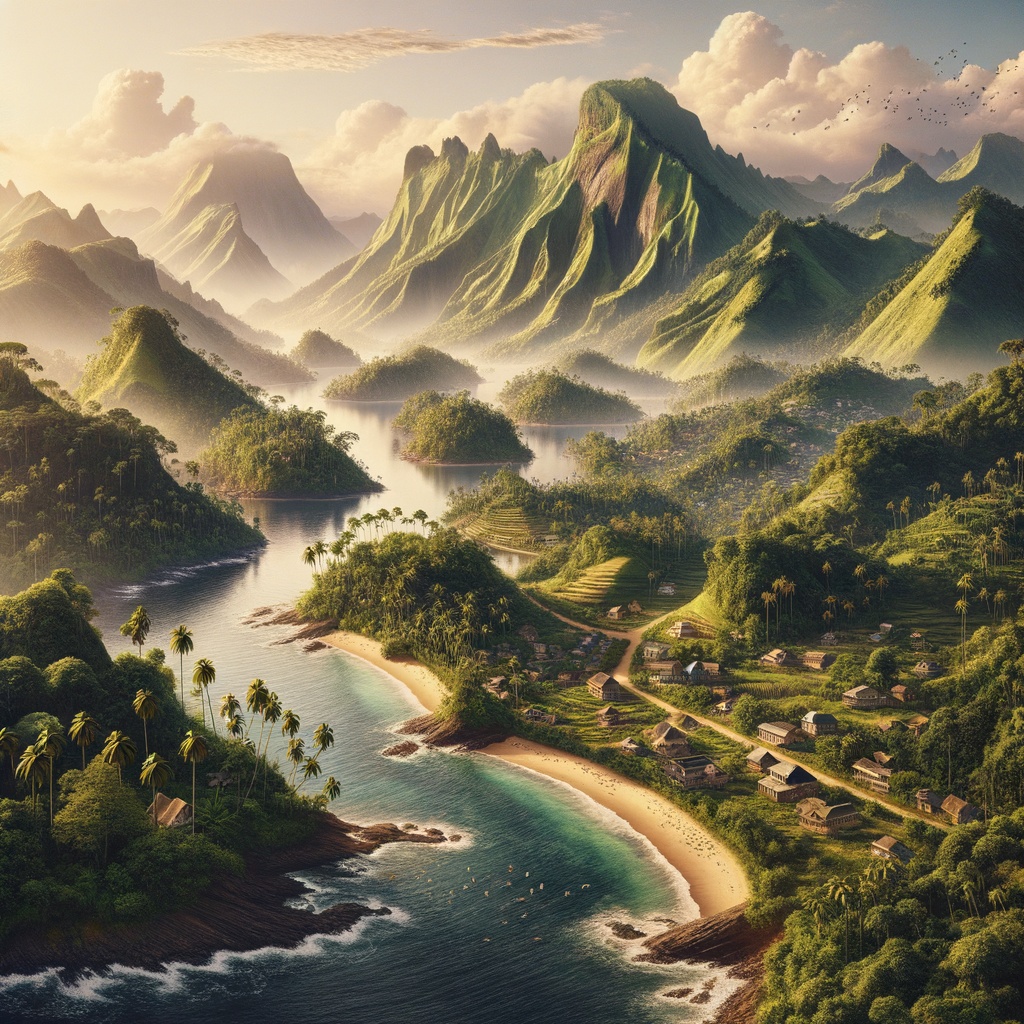
Located in the Niari region of the Republic of the Congo, Dolisie nestles at the edge of the lush Mayombe forest, surrounded by rolling hills and a patchwork of savannah and woodland. The city lies roughly 350 kilometers southwest of Brazzaville and is a gateway to the country’s wilder, less-traveled interior. The climate is tropical, with a pronounced wet season from October to May and a drier period in the remaining months. This climate nurtures a landscape bursting with greenery, interspersed with rivers and small streams. The nearby Louvakou and Niari Rivers carve through the landscape, providing both sustenance and scenic beauty. The region’s fertile soils support local agriculture, giving rise to markets brimming with fresh produce and a countryside dotted with small farming communities.
Traditions, Historical Sites, Architecture, Museums, and Cultural Heritage
Dolisie’s cultural tapestry is woven from the traditions of the Kongo, Vili, and other ethnic groups. While the city doesn’t boast grand monuments, its charm lies in the authenticity of daily life and the warmth of its people. Traditional music and dance, particularly during local festivals, offer visitors a window into the area’s vibrant customs. The city’s colonial-era architecture, characterized by low-slung buildings and wide avenues, reflects its origins as a railway junction during the early 20th century. While museums are few, the local cultural center occasionally hosts exhibitions on Niari’s history and folk art. Wandering through Dolisie’s lively markets and attending local gatherings, travelers can discover weaving, pottery, and the oral storytelling traditions that preserve the community’s rich heritage.
Nature & Activities
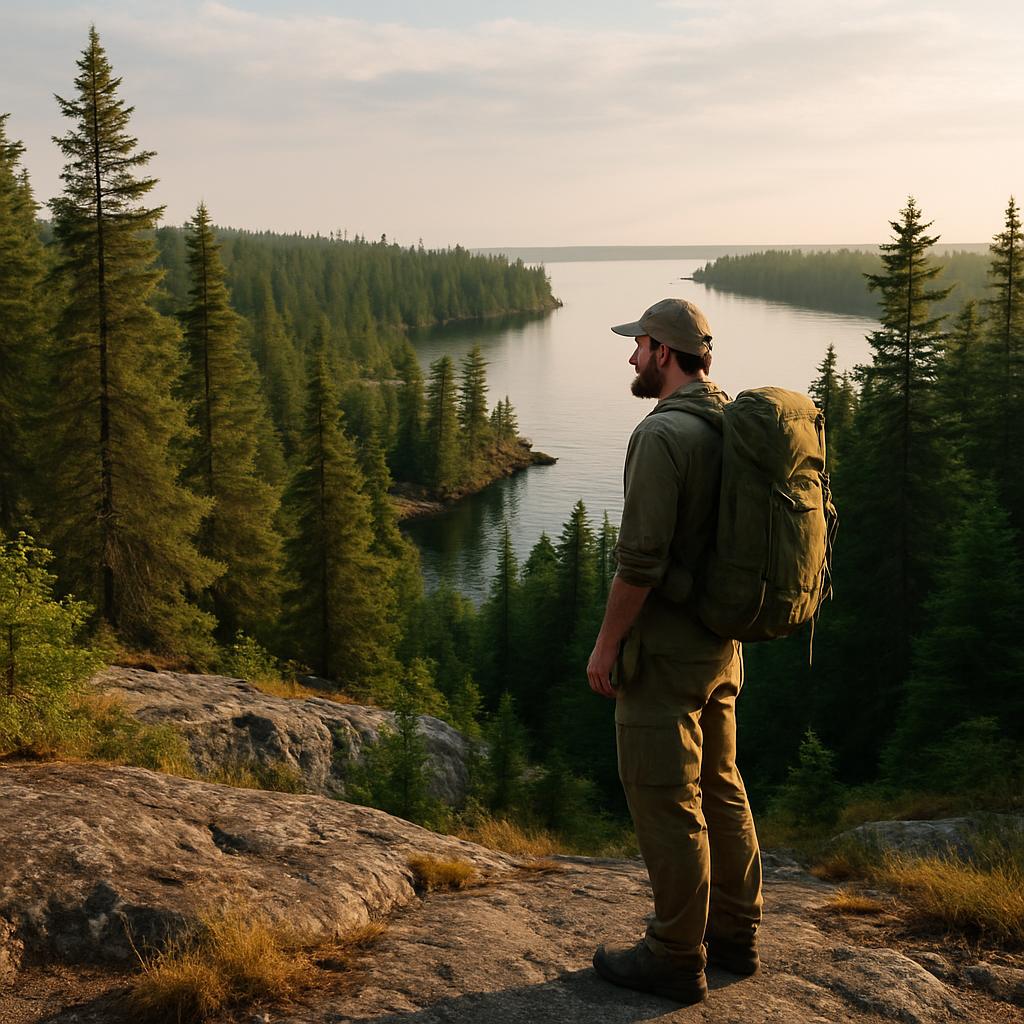
Nature lovers will find Dolisie a perfect base for exploring the surrounding wilderness. The nearby Mayombe forest, one of Central Africa’s last primary rainforests, is teeming with biodiversity—think vibrant birds, rare primates, and unique flora. Guided treks allow visitors to discover hidden waterfalls and observe wildlife in their natural habitat. For those seeking more adventure, excursions along the Niari River offer opportunities for fishing, canoeing, or simply picnicking on its banks. The region’s rolling hills and open savannahs are ideal for hiking and birdwatching, while local guides can introduce you to traditional bushcraft skills. Whether you crave serene landscapes or immersive cultural encounters, Dolisie promises authentic experiences far from the beaten path.
Local Cuisine and Culinary Adventures
Dolisie’s food scene is a vibrant tapestry woven from local traditions and regional influences. At the heart of Congolese gastronomy is cassava, a staple transformed into fufu or chikwangue (steamed cassava bread), often paired with savory stews. Adventurous foodies will delight in trying moambe chicken, a rich peanut-based dish, or grilled fish fresh from the region’s rivers. The city’s central market is a sensory delight—stalls overflow with tropical fruits, fragrant spices, and dried fish, offering an authentic glimpse into daily life. Local restaurants, such as Le Paradis Gourmand, serve up home-style favorites alongside French-inspired fare, reflecting the Congo’s colonial heritage. No culinary exploration would be complete without sampling palm wine, a slightly sweet, locally-brewed beverage, or a chilled bottle of Primus, the popular Congolese beer. For a non-alcoholic treat, try gingembre—a spicy homemade ginger drink. Whether you’re enjoying a bustling street food stall or a leisurely meal at a family-run eatery, Dolisie’s cuisine promises a flavorful journey for every palate.
Accommodation: Where to Stay
Dolisie offers a range of accommodation options, from modest guesthouses to comfortable hotels. Travelers can find clean, affordable lodgings such as Hotel Nkoua and Hotel Palm Beach, both known for their friendly service and central locations. Several establishments offer amenities like air conditioning, Wi-Fi, and breakfast, ensuring a pleasant stay after a day of exploring. For those seeking a more immersive local experience, smaller guesthouses provide a chance to interact with Congolese hosts and savor home-cooked meals. While luxury options are limited, the city’s accommodations offer practicality and warm hospitality, making them ideal bases for discovering Dolisie’s hidden gems.
Festivals, Events, Nightlife, and Shopping
Life in Dolisie is punctuated by vibrant festivals and community gatherings. Traditional music and dance come alive during national celebrations such as Independence Day in August, when the city erupts in parades, concerts, and lively street parties. Visitors may also encounter colorful local events, from dance competitions to football matches, which reflect Dolisie’s dynamic spirit. Nightlife here is casual yet spirited—local bars and open-air cafes host live music, where Congolese rumba and soukous rhythms invite both locals and visitors to dance the night away. For those who love shopping, Dolisie’s bustling markets are treasure troves of handmade crafts, woven baskets, and carved wooden figurines. The central market is particularly popular for souvenirs and brightly colored textiles. While modern boutiques are rare, the city’s informal stalls and artisan shops let you experience authentic Congolese commerce and bring home unique mementos of your journey.
Practical Tips: Best Time to Visit, Costs, Safety, and More
The ideal time to explore Dolisie is during the dry season, from June to September, when roads are more accessible and the weather is pleasant for sightseeing. Travel costs are moderate; budget-conscious travelers can find affordable meals and accommodation, though imported goods may be pricier. Dolisie is generally safe, but as in any city, it’s wise to exercise caution after dark and keep valuables secure. French is the official language, although local dialects are spoken in markets and neighborhoods. The currency is the CFA franc (XAF). Most travelers require a visa for entry into the Republic of the Congo, so be sure to arrange this in advance and check the latest requirements with your local embassy. With a little preparation, a visit to Dolisie offers an unforgettable adventure off the typical tourist map.