Why is Red Deer Unpopular and How to Get There
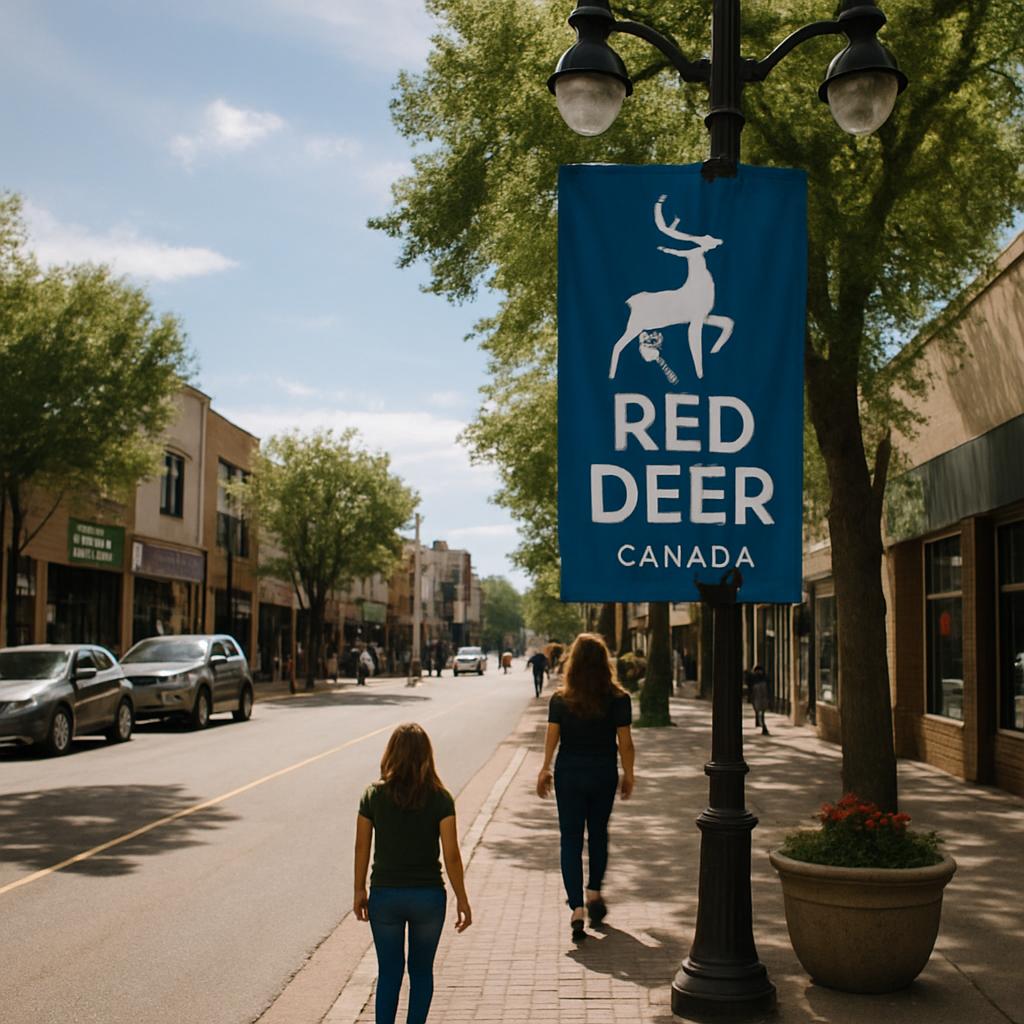
Red Deer, nestled between Calgary and Edmonton in the province of Alberta, often slips under the radar of most travelers. Its proximity to two major cities means many simply bypass it while traveling along the busy Queen Elizabeth II Highway. The city’s reputation as a service and agricultural hub overshadows its rich local culture and hidden gems. To reach Red Deer, travelers can fly into either Calgary International Airport or Edmonton International Airport, both about 90 minutes away by car. Regular bus services and car rentals make the journey convenient, yet this city remains a surprisingly quiet escape.
Country, Region, Surroundings, Climate, and Landscapes
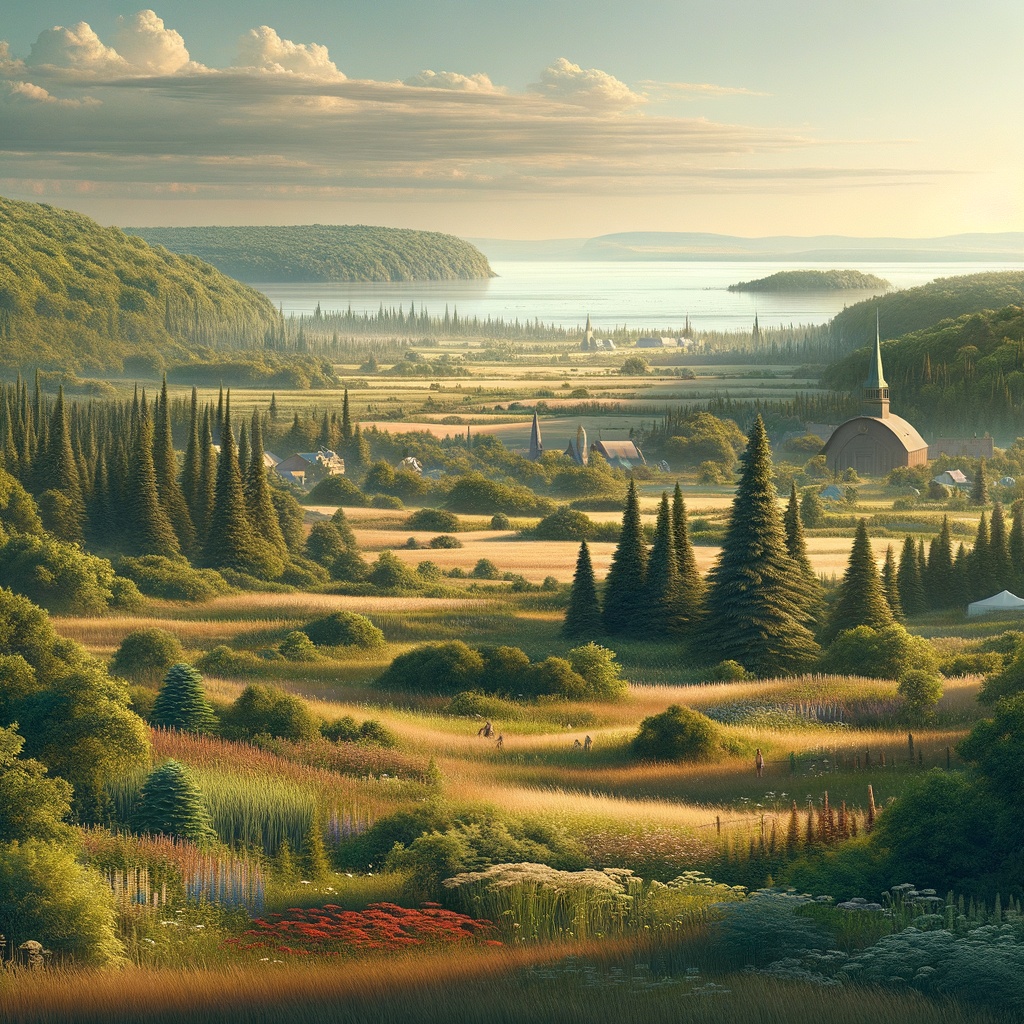
Red Deer is situated in central Alberta, Canada, and forms part of the prairie parkland region. The city is surrounded by gently rolling hills, sprawling farmland, and lush river valleys carved by the Red Deer River. Its central location provides easy access to both the majestic Rocky Mountains to the west and the open prairies to the east. The climate features warm summers perfect for outdoor exploration, with average highs in the mid-20s Celsius, and chilly, snowy winters that transform the landscape into a winter wonderland. Spring and autumn offer crisp air and vibrant foliage, making every season a unique experience for nature lovers.
Traditions, Historical Sites, Architecture, Museums, and Cultural Heritage
Red Deer boasts a proud heritage rooted in its early days as a trading post and agricultural center. The city’s downtown is dotted with charming early-20th-century architecture, including restored brick buildings and heritage homes. The Red Deer Museum + Art Gallery showcases local artifacts and rotating exhibitions that delve into the region’s indigenous, settler, and immigrant histories. Festivals such as Westerner Days celebrate Alberta’s cowboy culture, while the Fort Normandeau historic site offers immersive experiences of pioneer and First Nations life. Public art installations and murals reflect a creative spirit, while local theater groups keep cultural traditions vibrant throughout the year.
Nature & Activities
Nature is at Red Deer’s doorstep, with the scenic Waskasoo Park system weaving through the city and offering over 100 kilometers of walking, biking, and cross-country ski trails. The Red Deer River is popular for canoeing and kayaking, providing tranquil vistas and wildlife spotting opportunities. Birdwatchers and outdoor enthusiasts flock to Gaetz Lakes Sanctuary, Alberta’s oldest federal migratory bird sanctuary. Nearby Sylvan Lake is a summer hotspot for swimming, boating, and fishing, while Canyon Ski Resort draws winter sports lovers. From golfing and horseback riding to farmers’ markets and botanical gardens, Red Deer is a playground for every kind of adventurer.
Local Cuisine: Savoring Red Deer’s Flavors
Red Deer’s culinary scene offers a delightful mix of prairie comfort food and innovative local fare. Start your foodie adventure at the city’s bustling farmers’ markets, such as the Red Deer Public Market, where you can sample farm-fresh produce, homemade preserves, and regional specialties like bison sausage and Saskatoon berry pies. The area’s fertile farmland means menus are often seasonally inspired, with restaurants like Bo’s Bar & Grill and Tribe serving up hearty Alberta beef, elk burgers, and locally foraged mushrooms. For a true taste of the region, don’t miss trying poutine with a twist—topped with smoked brisket or wild game.
Red Deer’s thriving craft beverage scene is also worth exploring. Stop by Something Brewing or Troubled Monk Brewery for a flight of inventive local ales, or indulge in Alberta-distilled spirits and ciders. Wine lovers can visit nearby vineyards for tastings of fruit wines unique to the province. Whether you’re grabbing a casual bite at a cozy cafe or indulging in a fine dining experience, Red Deer promises to surprise and satisfy your palate.
Accommodation: Where to Stay in Red Deer
Red Deer boasts a range of accommodations to suit every traveler’s needs, from boutique inns to family-friendly hotels and rustic cabins. Downtown offers modern hotels with convenient access to shops, restaurants, and entertainment, such as the Holiday Inn & Suites and Radisson Hotel Red Deer. For a more unique stay, consider a cozy bed and breakfast nestled along the river valley or a lakeside cabin at nearby Sylvan Lake. Campers and RV enthusiasts will find well-equipped campgrounds on the outskirts, perfect for those seeking a closer connection to nature. Whatever your preference, Red Deer’s hospitality ensures a comfortable and memorable stay.
Festivals, Events, Nightlife, and Shopping
Red Deer comes alive with vibrant festivals and events year-round. The Centrefest Street Performer Festival transforms downtown into a colorful spectacle of music, acrobatics, and entertainment each summer, while the Red Deer Winter Carnival brings cozy fun to the colder months. Art lovers flock to the Red Deer Arts Council’s festivals, and foodies won’t want to miss the annual Alberta Food & Beverage Expo.
As the sun sets, Red Deer’s nightlife offers something for everyone. Catch live music at local bars, enjoy craft cocktails in intimate lounges, or dance the night away at energetic clubs. Shopping enthusiasts will appreciate the eclectic mix of downtown boutiques, artisan shops, and the expansive Bower Place Mall. Whether you’re on the hunt for handmade jewelry, Indigenous art, or Alberta-made goods, you’ll find plenty of treasures to take home.
Practical Tips: When to Visit, Costs, Safety, and More
The best time to visit Red Deer is from late spring to early fall (May–September), when the weather is mild and outdoor activities abound. Average daily costs are reasonable compared to larger cities, with mid-range meals, accommodations, and attractions offering great value. Red Deer is considered safe for travelers, with friendly locals and a welcoming atmosphere. English is the primary language, and the currency is the Canadian dollar (CAD). Most visitors from the US, UK, EU, Australia, and many other countries can enter Canada visa-free for up to six months, though an eTA (Electronic Travel Authorization) may be required. Always check the latest entry requirements before your trip.