Why is Comoros Unpopular and How to Reach It?
Nestled in the Indian Ocean between Madagascar and Mozambique, Comoros remains one of Africa’s least-visited countries. Its lack of mainstream tourism stems from limited international flight connections, modest infrastructure, and low global awareness. However, travelers seeking untouched beauty can reach Comoros by flying into Prince Said Ibrahim International Airport in Moroni, usually via connecting flights from Nairobi, Addis Ababa, or Dar es Salaam. Ferries also link the islands, but air travel is most reliable. This seclusion preserves the archipelago’s authentic charm, making it a true hidden gem for adventurous explorers.
Country, Region, Surroundings, Climate, and Landscapes
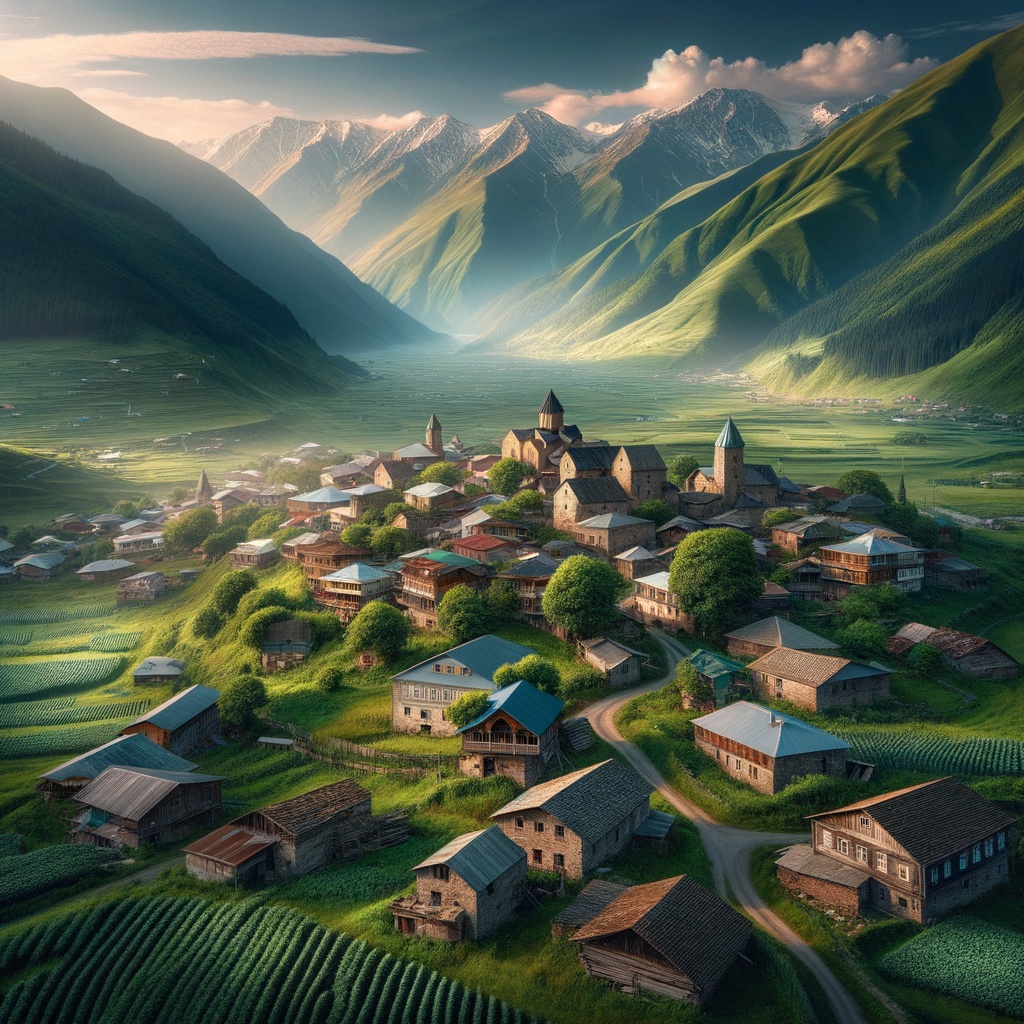
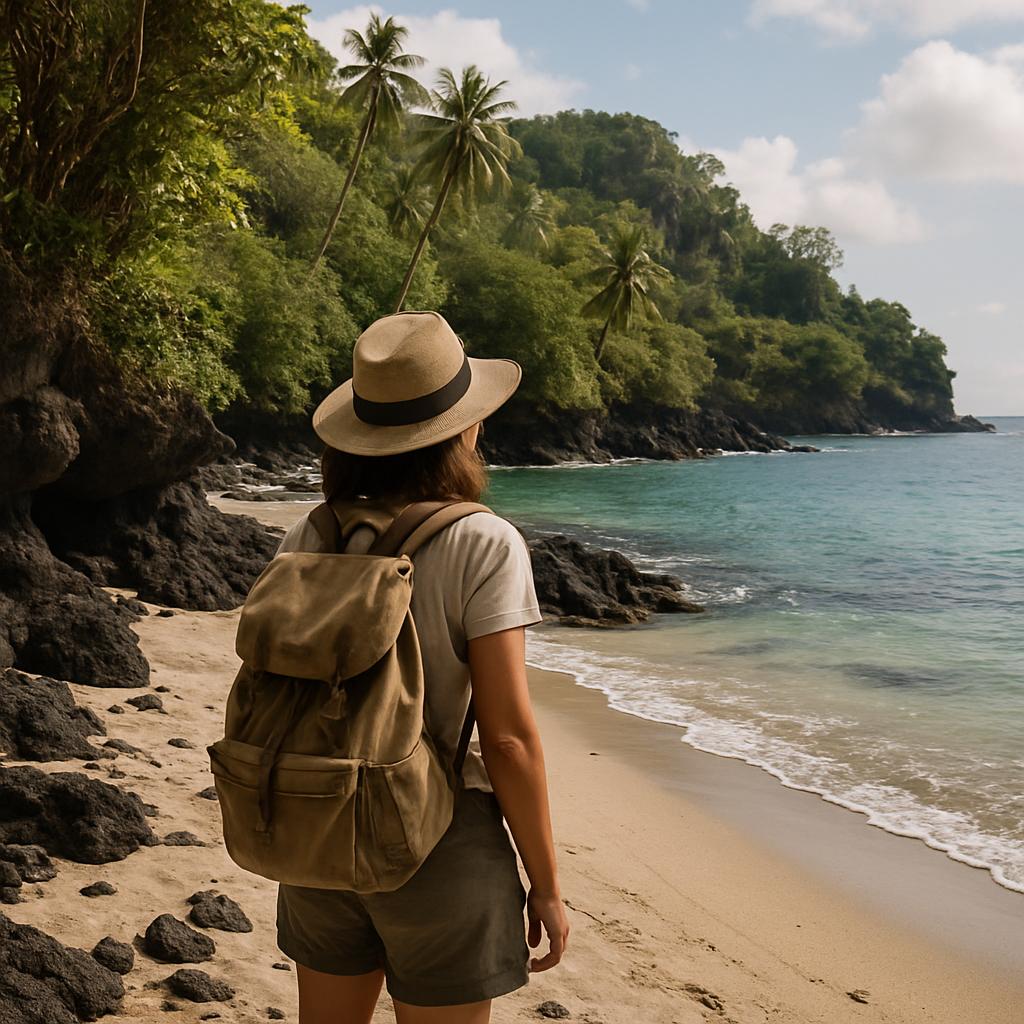
Comoros is an archipelagic nation comprised of four volcanic islands: Grande Comore (Ngazidja), Mohéli (Mwali), Anjouan (Nzwani), and Mayotte (claimed by Comoros but administered by France). Located off Africa’s southeastern coast, the islands are surrounded by turquoise waters and coral reefs. The region enjoys a tropical marine climate, with warm temperatures year-round and two distinct seasons—hot and rainy from November to April, and cooler and drier from May to October. The landscapes are breathtaking: dramatic volcanic peaks, lush rainforests, fragrant ylang-ylang plantations, and idyllic white-sand beaches. The islands’ interiors are dotted with crater lakes, dense vegetation, and traditional villages, offering a peaceful retreat from the bustle of modern life.
Traditions, Historical Sites, Architecture, Museums, and Cultural Heritage
Comoros is a melting pot of African, Arab, Malagasy, and French influences, reflected in its customs, language, and architecture. Islam is the predominant religion, and local traditions are celebrated through vibrant festivals and communal gatherings. The medina of Moroni, the capital, showcases winding alleys and centuries-old mosques, such as the iconic Vendredi Mosque with its distinctive white minaret. Many villages boast historic sultan’s palaces and traditional Chikomori houses, built from coral stone and decorated with intricate wooden doors. Museums like the National Museum of Comoros in Moroni offer insights into the archipelago’s seafaring history, Swahili-Arabic heritage, and the sultanate era, preserving artifacts and stories from centuries past.
Nature & Activities
Nature lovers will find a paradise in Comoros. The islands are renowned for their rich biodiversity, from endemic fruit bats and rare birds to vibrant marine life. Mohéli is home to the Mohéli Marine Park, where visitors can snorkel or dive alongside sea turtles, humpback whales, and colorful coral reefs. Hiking enthusiasts can trek to the summit of Mount Karthala, an active volcano on Grande Comore, for panoramic views over the archipelago. Pristine beaches invite relaxation, while spice and ylang-ylang plantations offer aromatic tours. With its blend of adventure, tranquility, and authenticity, Comoros is a treasure trove for those seeking unique activities far from the crowds.
Local Cuisine and Culinary Experiences
Comorian cuisine is a delightful fusion of African, Arab, French, and Malagasy influences, resulting in unique flavors that are both exotic and comforting. The islands’ volcanic soil and tropical climate yield an abundance of fresh produce—expect meals brimming with coconuts, bananas, cassava, and fragrant spices like vanilla and cloves. Seafood reigns supreme; grilled fish, octopus in coconut sauce (langouste à la vanille), and spicy curries are staples found at both street stalls and upscale restaurants. Adventurous foodies should sample mataba (cassava leaves cooked with coconut milk) and the famous Comorian pilaf rice. Markets, especially in Moroni and Mutsamudu, burst with colors and aromas—don’t miss the chance to try fresh tropical fruit or sip locally brewed clove tea. While wine isn’t commonly produced, the islands offer a variety of imported French wines and signature drinks like coconut punch. Restaurants range from humble family-run eateries to elegant seaside venues, each promising an authentic taste of Comorian hospitality and a memorable dining experience.
Accommodation Options
Comoros offers a modest yet charming selection of accommodations to suit various travel styles and budgets. Boutique hotels and ecolodges are popular, often nestled along pristine beaches or amid lush gardens, providing a tranquil and immersive stay. In Moroni, the capital, you’ll find comfortable hotels with modern amenities and striking views of the Indian Ocean. Guesthouses and homestays present an opportunity to experience daily Comorian life and culture firsthand. For those seeking a touch of luxury, a few resorts on Grande Comore and Mohéli offer private villas and exclusive services. Regardless of where you stay, warm hospitality and a relaxed island atmosphere are guaranteed.
Festivals, Events, Nightlife, and Shopping
The Comoros archipelago comes alive with vibrant festivals and events that reflect its rich cultural tapestry. The annual Grand Mariage is a traditional celebration featuring music, dance, and elaborate feasts, offering a rare glimpse into local customs and social life. Religious festivals, such as Eid al-Fitr and Mawlid, are also significant, marked by communal prayers and joyous gatherings. While nightlife in Comoros is relatively subdued, visitors can enjoy live music performances, particularly twarab—a blend of Swahili and Arabic musical styles—at select bars and cafés in Moroni. Shopping is an adventure in itself; bustling markets brim with handwoven baskets, spices, essential oils, and intricate woodcrafts. Comoros is renowned for its ylang-ylang and vanilla—perfect souvenirs for travelers seeking a sensory reminder of the islands. For unique finds, explore artisan cooperatives where you can purchase locally made jewelry and traditional textiles. Although the islands are tranquil after dark, the warmth of Comorian hospitality ensures that every evening is memorable.
Practical Travel Tips
The optimal time to visit Comoros is during the dry season, from May to November, when temperatures are pleasant and rainfall is minimal. Travel costs are moderate; while flights can be pricey, accommodation and dining are generally affordable. French and Comorian Arabic are the main languages, with French widely spoken in business and tourism. The local currency is the Comorian franc (KMF), and cash is preferred in most establishments. Safety is generally good, though travelers should exercise standard precautions and respect local customs. Entry requirements include a valid passport and a visa, which can often be obtained on arrival. With its welcoming atmosphere, Comoros is a rewarding destination for intrepid travelers seeking authenticity and adventure.