Why is Sapa Unpopular and How to Reach It?
Tucked away in the mountainous northwestern region of Vietnam, Sapa remains relatively unpopular among mainstream travelers due to its remote location and challenging access. Although increasingly known among adventurous backpackers, Sapa is still overshadowed by Vietnam’s bustling cities and coastal hotspots. Reaching Sapa typically involves an overnight train or bus journey from Hanoi to Lao Cai, followed by a winding drive through misty hills. The journey, though long, promises spectacular views and a true escape from the ordinary.
Country, Region, Surroundings, Climate, Landscapes
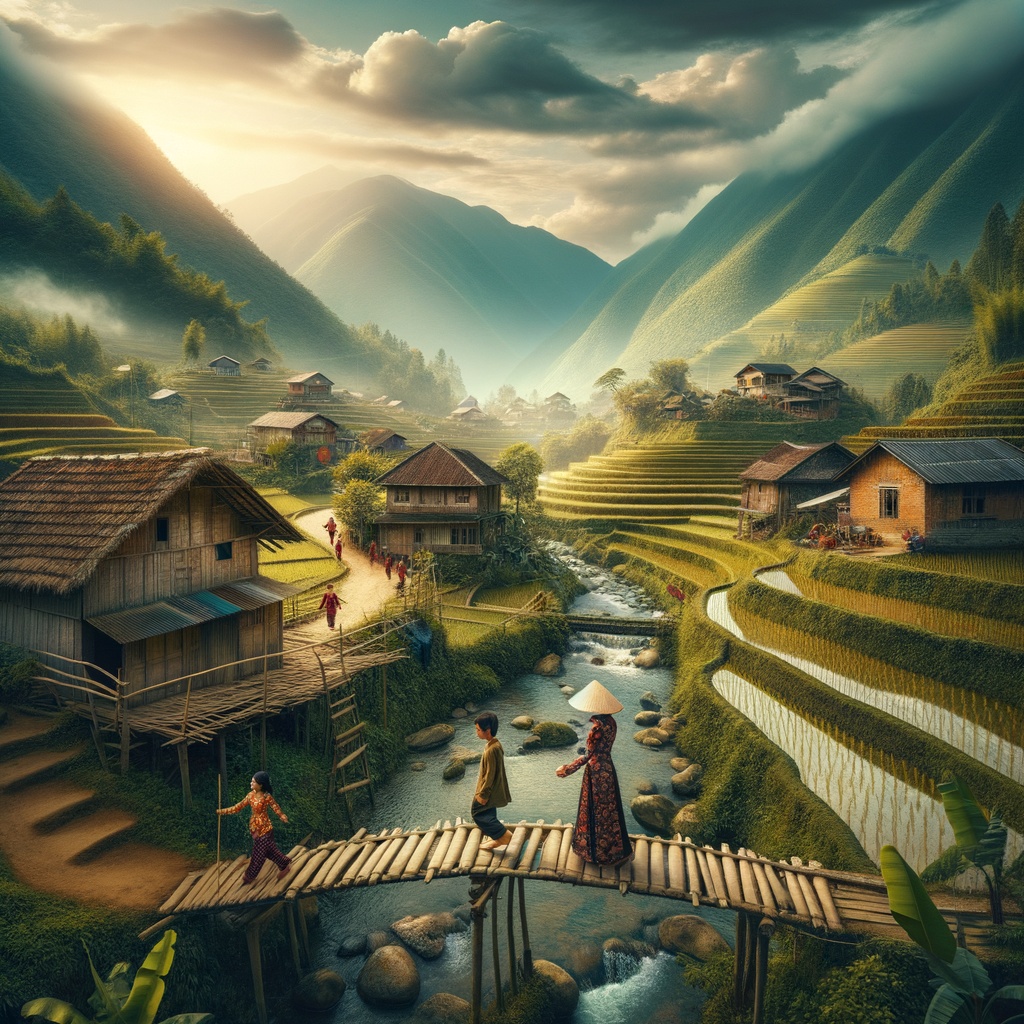
Sapa lies in the Lao Cai province of northern Vietnam, near the border with China. The village is nestled in the Hoàng Liên Son mountain range, surrounded by emerald rice terraces and steep, lush valleys. The region is characterized by its cool, temperate climate with frequent mists that lend a mystical air to the landscape. Towering Mount Fansipan, the highest peak in Indochina, dominates the skyline, while the Muong Hoa Valley weaves gently through the region. Sapa is renowned for its dramatic shifts in weather, sometimes experiencing all four seasons in a single day, making it a unique retreat for nature lovers and wanderers alike.
Traditions, Historical Sites, Architecture, Museums, Cultural Heritage
Sapa is a cultural mosaic, home to diverse ethnic groups such as the Hmong, Dao, Tay, and Giay. Each community maintains age-old traditions, often visible in vibrant clothing, intricate embroidery, and colorful markets. The village architecture features wooden stilt houses with thatched roofs, blending seamlessly into the terraced hillsides. Local markets brim with handicrafts and textiles, offering insight into the region’s artisanal heritage. The Sapa Museum provides an excellent introduction to the area’s cultural landscape, while nearby ancient stone churches and colonial-era buildings tell stories of French influence and Vietnam’s rich, layered history.
Nature & Activities
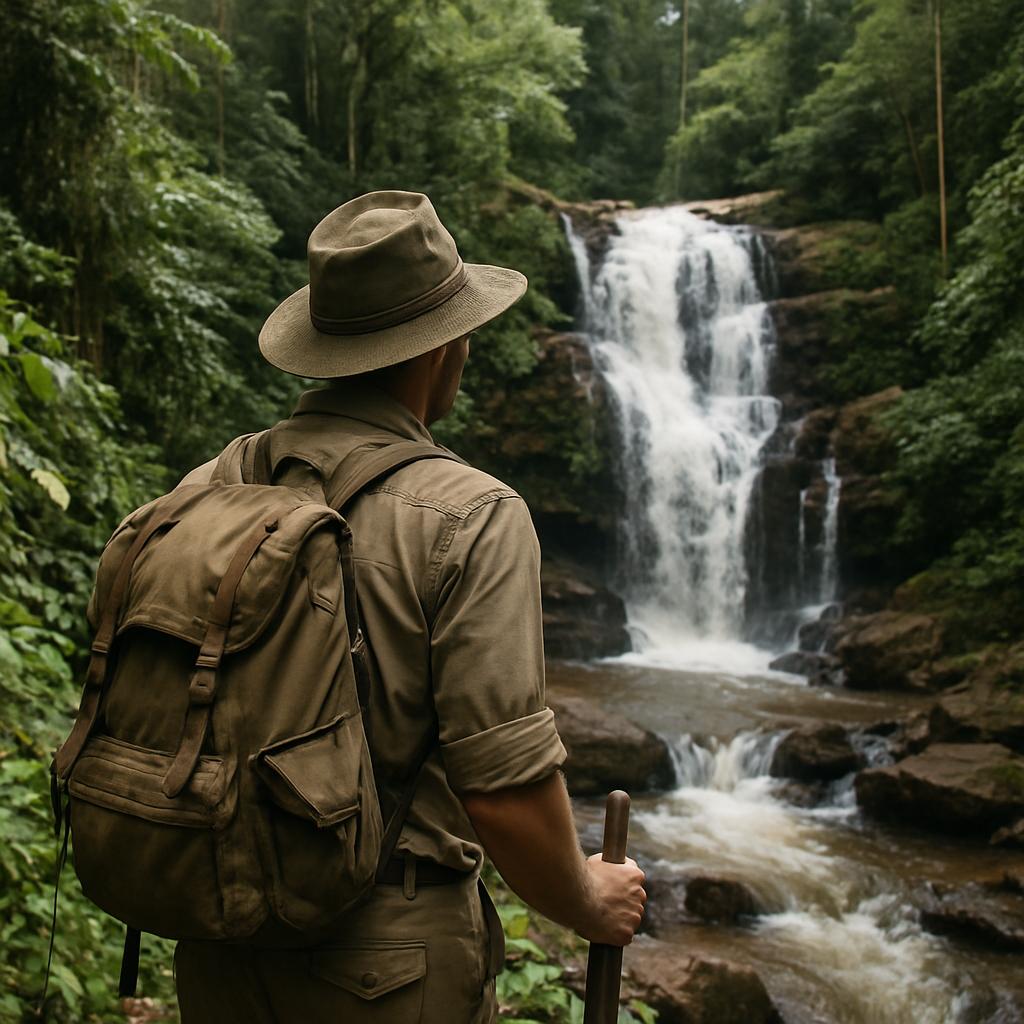
Nature enthusiasts will find Sapa a true paradise. The surrounding rice terraces, particularly stunning during planting and harvest seasons, are perfect for hiking and photography. Trekking routes crisscross the mountains, leading visitors through bamboo forests, waterfalls, and remote minority villages. Adventurous travelers can scale Mount Fansipan or explore the silver cascades of Thac Bac Waterfall. The region is also known for its biodiversity—birdwatching and wild orchid spotting are popular pastimes. Guided tours allow for authentic homestays, offering a deep connection with local families and a chance to experience the rhythms of rural Vietnamese life.
Local Cuisine and Culinary Delights
Sapa’s culinary landscape is a feast for the senses, filled with flavors as diverse as its cultural tapestry. The region is famed for its hearty mountain fare, with specialties like “thang co” (a traditional Hmong soup made with horse meat and herbs), grilled stream fish, and sticky rice cooked in bamboo tubes (“com lam”). Local markets buzz with the aroma of freshly prepared street foods—don’t miss trying skewered pork belly, spicy grilled chicken, or sweet potatoes roasted over open fires. Sapa’s central market is an excellent place to sample homemade apple wine, a robust local drink, as well as the refreshing “ruou ngo”, a corn-based spirit.
For a sit-down meal, family-run eateries and rustic restaurants dot the town, offering everything from steaming bowls of pho to unique dishes like “cap nach” pork, a locally raised black pig. Sapa’s cool climate also makes it ideal for sampling hotpot, where thinly sliced meats and fresh vegetables are cooked at your table. Be sure to try the herbal teas made from wild mountain plants, or enjoy a glass of Dalat wine with your meal. Whether at a bustling market stall or a cozy restaurant overlooking the terraced hills, Sapa’s food scene is both authentic and unforgettable.
Where to Stay: Accommodation Options
Sapa offers a range of accommodation options suited to every traveler’s preference and budget. For those seeking luxury, boutique hotels and elegant resorts provide breathtaking views of misty valleys and offer amenities like spas, heated pools, and fine dining. However, Sapa’s true charm is best experienced in a traditional homestay with a local family. Here, guests are welcomed with open arms and immersed in the daily rhythms of village life. Rustic bungalows, eco-lodges, and backpacker hostels are also available for more budget-conscious travelers. Regardless of where you stay, waking up to the sight of sunlit rice terraces and the sounds of nature is an experience that will linger long after your visit.
Festivals, Events, Nightlife, and Shopping
Sapa’s calendar is dotted with vibrant festivals that provide a window into the region’s rich ethnic traditions. The Gau Tao Festival is a highlight, featuring music, dance, and colorful costumes as the Hmong people celebrate the new year. The Love Market, held on Saturdays, is a fascinating event where local youths gather to sing, dance, and court—offering travelers a rare glimpse into ancient matchmaking rituals.
While Sapa’s nightlife is relatively subdued compared to Vietnam’s urban centers, the town does offer cozy bars and tea houses where you can unwind with a warm drink or sample local rice wine. Live traditional music performances are occasionally hosted in some restaurants and homestays, providing a relaxed yet culturally immersive evening.
For shopping enthusiasts, Sapa’s markets brim with handcrafted textiles, embroidered bags, silver jewelry, and intricate wood carvings. The Sapa Market is the best place to find souvenirs made by the Hmong, Dao, and Tay communities. Bargaining is expected and part of the fun, and each purchase supports the local artisans and their families.
Travel Essentials: Timing, Costs, and Practical Tips
The best time to visit Sapa is from March to May or September to November, when the weather is mild and the terraced fields are at their most picturesque. Accommodation and tours are more affordable than in major Vietnamese cities, but prices can double during peak festival seasons. Sapa is generally safe for travelers, though caution is advised on slippery mountain paths and busy market days.
Vietnamese is the local language, but English is spoken in tourist areas. The official currency is the Vietnamese dong (VND), and cash is preferred in markets and rural villages. Visitors from many countries can enter Vietnam visa-free for short stays, while others may need to apply online. Always check current entry requirements before your trip. With a little preparation, Sapa offers an enchanting and accessible escape into Vietnam’s northern highlands.