
Why Kanazawa Remains Unpopular and How to Reach It
Despite its rich history and cultural treasures, Kanazawa remains under the radar for most international travelers. Overshadowed by bustling cities like Tokyo, Kyoto, and Osaka, Kanazawa’s relative isolation on Japan’s northwestern coast keeps it quietly charming. The city is accessible via the Hokuriku Shinkansen, a scenic two-and-a-half-hour bullet train ride from Tokyo. Alternatively, regional flights connect Kanazawa to major Japanese airports. Once there, efficient buses and taxis make exploring Kanazawa’s neighborhoods a breeze, ensuring visitors can discover its secrets in comfort and ease.
Country, Region, Surroundings, Climate, and Landscapes
Located in Ishikawa Prefecture on Japan’s Honshu Island, Kanazawa sits between the Sea of Japan and the Japanese Alps. The city enjoys a temperate climate, with snowy winters and pleasantly warm summers. Its proximity to coastal waters and the mountains gives Kanazawa a unique landscape: rivers crisscross the city, cherry trees line the streets, and the nearby Noto Peninsula offers rugged coastlines. The city’s gardens, especially Kenrokuen—one of Japan’s three most beautiful—are a testament to its harmonious relationship with nature. Kanazawa’s setting is further enhanced by well-preserved Edo-period districts, offering a blend of urban sophistication and scenic beauty.
Traditions, Historical Sites, Architecture, Museums, and Cultural Heritage
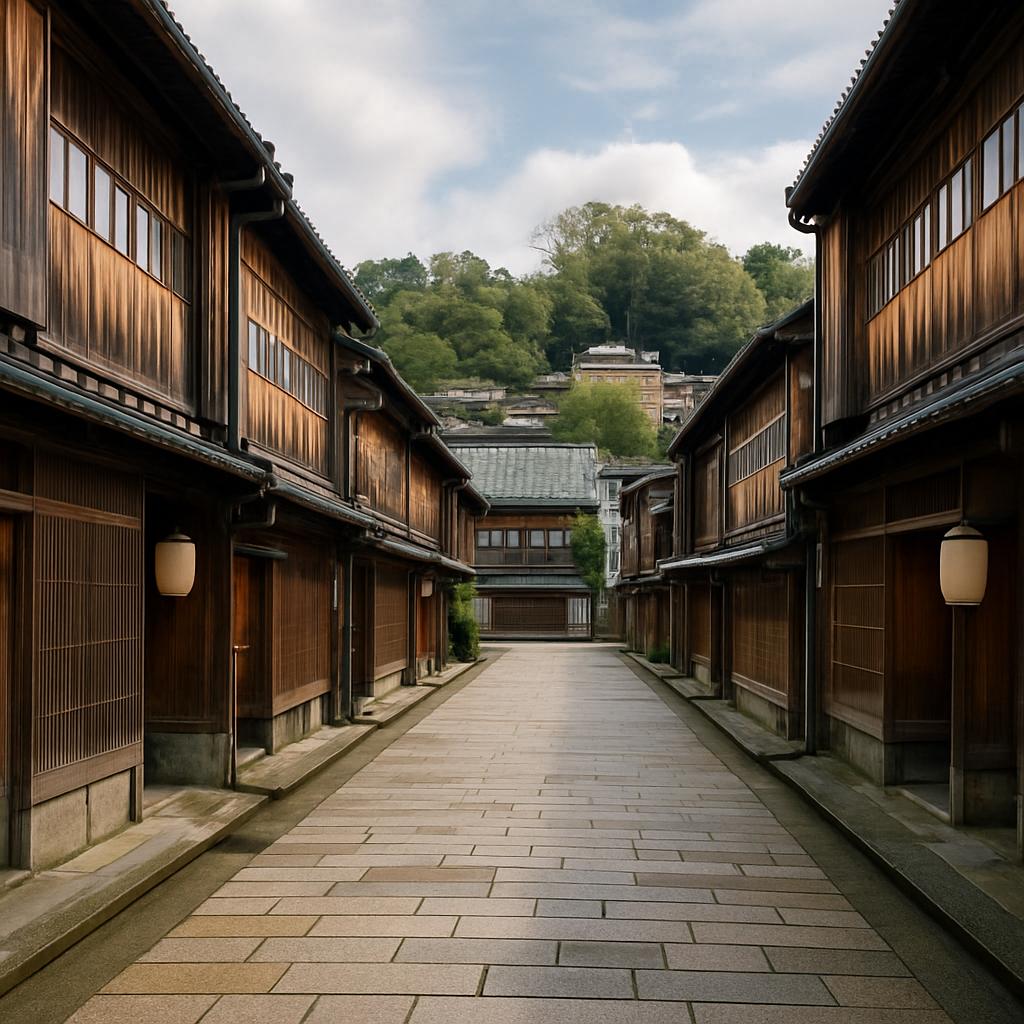
Kanazawa is a living museum of samurai and geisha culture. The Nagamachi Samurai District features traditional earthen-walled residences, while Higashi Chaya District echoes with the legacy of geisha teahouses. Kanazawa Castle, with its reconstructed turrets and majestic grounds, stands as a reminder of the city’s feudal past. The 21st Century Museum of Contemporary Art provides a modern counterpoint, while the D.T. Suzuki Museum celebrates one of Japan’s great Zen philosophers. Kanazawa’s gold leaf craftsmanship and centuries-old festivals, such as Hyakumangoku Matsuri, showcase a cultural heritage both vibrant and deeply rooted in tradition.
Nature & Activities
Nature lovers will find plenty to do in and around Kanazawa. The famed Kenrokuen Garden offers tranquil strolls among koi ponds, ancient trees, and seasonal blooms. The nearby Mount Utatsu provides panoramic city views and hiking trails through lush forests. Cycling along the Asano River is a local favorite, while day trips to the Noto Peninsula promise rugged coastal scenery and quiet fishing villages. Culinary adventurers can savor fresh seafood at Omicho Market, and traditional tea ceremonies await in centuries-old teahouses. Whether exploring gardens, mountains, or local markets, Kanazawa offers a wealth of activities for curious travelers.
Local Cuisine: A Gastronomic Journey
Kanazawa’s culinary scene is a delightful fusion of tradition and innovation, shaped by the region’s fertile farmlands and proximity to the Sea of Japan. Seafood is the star here, with the iconic Kanazawa sushi offering melt-in-your-mouth bites of local catch such as sweet shrimp (amaebi) and snow crab. Don’t miss the hearty Jibuni, a comforting duck stew simmered in a soy-based broth, or the visually stunning Kaga Kaiseki—a multi-course feast highlighting seasonal ingredients and exquisite presentation.
Visit Omicho Market, the city’s bustling kitchen, to sample fresh sashimi, grilled oysters, and unique street snacks. For a refined dining experience, reserve a table at Morihachi, which specializes in traditional sweets, or Zeniya for Michelin-starred kaiseki. Kanazawa is also known for its delicate gold leaf cuisine, where dishes and even soft-serve ice cream are adorned with edible gold. Pair your meal with local sake, crafted from pure mountain water, or try the distinctive regional plum wine. Kanazawa’s culinary offerings promise a memorable journey for every palate.
Accommodation: Where Heritage Meets Comfort
Kanazawa offers a range of accommodations, from luxurious ryokans that immerse you in traditional Japanese hospitality to chic boutique hotels and welcoming guesthouses. Staying in a machiya townhouse provides a unique experience, blending Edo-period architecture with modern comforts. For those seeking indulgence, the Hotel Nikko Kanazawa and Hyatt Centric Kanazawa offer elegant rooms with panoramic city views. Budget travelers will find cozy hostels and capsule hotels conveniently located near major attractions. Wherever you choose to stay, expect warm service and a touch of local character.
Festivals, Events, Nightlife, and Shopping
Kanazawa’s calendar is filled with vibrant festivals that reveal the city’s deep-rooted traditions. The Hyakumangoku Festival in June transforms the streets with samurai parades and lantern-lit processions, commemorating Lord Maeda Toshiie’s entry into Kanazawa Castle. In spring, cherry blossom celebrations bring locals and visitors together for picnics in Kenrokuen Garden. For art lovers, the Kanazawa Jazz Street Festival offers soulful performances throughout the city.
As night falls, Kanazawa’s entertainment scene comes alive. Sip cocktails in stylish bars in the Korinbo district, or enjoy sake tastings in cozy izakayas lining the Higashi Chaya geisha quarter. Shopping enthusiasts can browse artisanal crafts, gold-leaf souvenirs, and contemporary fashion in local boutiques or the bustling Kanazawa Forus mall. The blend of old-world charm and modern vibrancy ensures there’s always something to discover after dark.
Travel Tips: Timing, Costs, and Essentials
The best time to visit Kanazawa is during spring (March to May) for cherry blossoms or autumn (October to November) for fiery foliage. Accommodation prices are moderate, though festivals attract higher rates. Kanazawa is known for its safety and welcoming atmosphere, and while English is spoken in tourist areas, learning a few Japanese phrases can enhance your experience. The local currency is the Japanese yen, and credit cards are accepted in most hotels and larger restaurants. Travelers from many countries can enter Japan visa-free for short stays, but always check the latest entry requirements before your trip. Kanazawa’s blend of history, hospitality, and hidden gems makes it an accessible and rewarding destination.