Why Tajikistan Remains Unpopular and How to Reach It
Tajikistan, nestled in Central Asia, remains one of the least visited countries on the continent. Its relative obscurity stems from limited international exposure, language barriers, and perceptions of remoteness. However, with improved visa processes and increased flights to Dushanbe—the capital—accessibility is slowly improving. Most travelers arrive via flights from Istanbul, Dubai, or Moscow, with regional land borders open to adventurous explorers. Although off the mainstream tourist trail, reaching Tajikistan has never been more feasible for intrepid souls seeking unique cultural and natural wonders.
Country, Region, Surroundings, Climate, and Landscapes
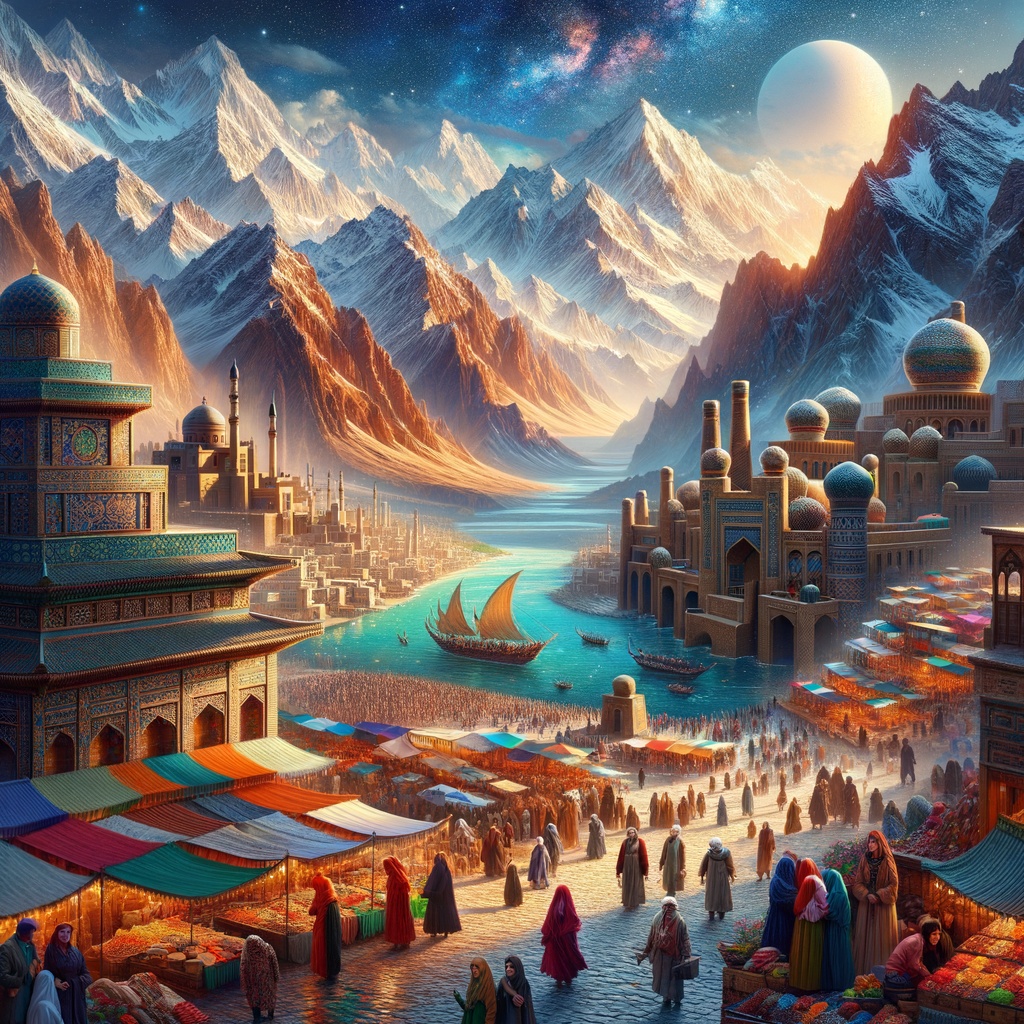
Tajikistan is a landlocked nation bordered by Afghanistan, Uzbekistan, Kyrgyzstan, and China. The country’s dramatic terrain is dominated by the Pamir and Alay mountain ranges, earning it the nickname “the Roof of the World.” The Fergana Valley in the north is fertile and lush, while the south and east are defined by rugged peaks and deep river valleys. The climate varies significantly: lowlands experience hot, dry summers and mild winters, whereas the highlands remain cool, with snow-capped peaks visible year-round. Tajikistan’s landscapes are breathtaking, ranging from alpine meadows and turquoise glacial lakes to steep, winding gorges and semi-arid plateaus.
Traditions, Historical Sites, Architecture, Museums, and Cultural Heritage
Tajikistan boasts a rich tapestry of traditions rooted in Persian culture, with influences from nomadic Turkic peoples. The ancient Silk Road passed through these lands, leaving a legacy of archaeological sites and historic cities. Penjikent, often termed “the Pompeii of Central Asia,” features well-preserved ruins and intricate Sogdian frescoes. The capital, Dushanbe, is home to the impressive National Museum of Tajikistan and the world’s second-tallest flagpole. Traditional mud-brick houses, colorful bazaars, and grand mosques like the Haji Yakoub Mosque reflect the country’s architectural diversity. Hospitality is central to Tajik life, and festivals celebrating Nowruz (Persian New Year) showcase music, dance, and sumptuous feasts.
Nature & Activities
For nature lovers and adventure seekers, Tajikistan is a treasure trove. The Pamir Highway, one of the world’s highest and most spectacular roads, invites epic road trips, cycling, and trekking. Fann Mountains offer crystal-clear lakes such as Iskanderkul, perfect for hiking and camping. Birdwatchers and wildlife enthusiasts can spot Marco Polo sheep and ibex in protected reserves. The Wakhan Valley, with its ancient fortresses and hot springs, provides both cultural and scenic exploration. Traditional villages welcome visitors to experience yurt stays and local cuisine. Whether scaling peaks, rafting wild rivers, or immersing in village life, Tajikistan rewards those who venture off the beaten path.
A Taste of Tajikistan: Culinary Delights and Local Flavors
Tajikistan’s cuisine is a tantalizing blend of Central Asian and Persian influences, reflecting its rich history and diverse landscapes. The national dish, plov (a savory pilaf made with rice, lamb, carrots, and spices), is a must-try and often shared during gatherings. Savor shashlik (grilled skewered meats), hearty laghman noodles, and sambusa pastries filled with meat or pumpkin. Warm up with a bowl of shurbo, a robust soup brimming with vegetables and mutton.
Dushanbe’s bustling bazaars, such as the Green Bazaar, are perfect for tasting dried fruits, nuts, and local breads. Street food stalls offer quick bites and an authentic glimpse into daily life. For a sit-down meal, restaurants like Rohat Teahouse blend elegant atmosphere with traditional fare. While Tajikistan is a predominantly Muslim country, homemade wines from the Fergana Valley and the popular fermented dairy drink, chakka, are worth sampling. Don’t miss the fragrant green or black teas, often enjoyed with a side of candied fruits. Food markets and cheerful tea houses provide a gateway to Tajik hospitality, where sharing a meal is as much about community as cuisine.
Where to Stay: From Mountain Lodges to Urban Retreats
Accommodations in Tajikistan cater to a wide spectrum of travelers, from adventure-seekers to comfort lovers. In Dushanbe, international hotels such as Hyatt Regency and Serena Hotel offer luxury and modern amenities. For a more intimate experience, boutique guesthouses and family-run inns welcome guests with genuine warmth and home-cooked meals. In rural regions, particularly along the Pamir Highway or Fann Mountains, homestays provide both a cozy bed and an immersive cultural experience. These lodgings often include shared dinners and stories with local families, adding a personal touch to your journey. Advanced booking is advised during peak trekking months, while outside major cities, expect simpler facilities but unrivaled hospitality.
Celebrations, Nightlife, and Shopping: Embracing Local Life
Tajikistan’s calendar is dotted with vibrant festivals and cultural events. Navruz (Persian New Year) in March is marked by lively music, dance, and public feasts. The Roof of the World Festival in Khorog brings together Pamiri traditions, crafts, and performances. In Dushanbe, you’ll find a growing arts scene with concerts, theater, and galleries showcasing contemporary and traditional works.
Nightlife is relaxed but evolving. Teahouses and open-air cafés buzz with conversation well into the evening, while a handful of bars and clubs in the capital offer live music and dancing. For shopping, the local bazaars are a treasure trove. Browse for handwoven suzani embroidery, vibrant carpets, and silver jewelry, or pick up aromatic spices and dried apricots. Artisans often sell directly at markets, so haggling is part of the fun and a way to interact with locals. Whether you’re joining in a folk celebration, hunting for unique crafts, or sipping tea under the stars, Tajikistan’s social fabric is both welcoming and enchanting.
Planning Your Trip: Practicalities and Essentials
The best time to visit Tajikistan is from May to September, when the weather is warm and mountain passes are accessible. Costs are moderate—budget travelers can get by on $30-50 a day, while more comfort can be had for $80-120. The official language is Tajik, but Russian is widely spoken; basic English is common in tourist areas. The currency is the Tajik somoni (TJS), and cash is king outside the capital.
Tajikistan is generally safe for travelers, though caution is advised in remote regions and border areas. Visas are required for most nationalities, but an e-visa system streamlines the process. Always check the latest entry requirements and travel advisories before your trip. With a dash of curiosity and an open heart, Tajikistan rewards visitors with unforgettable experiences and genuine hospitality.