Why is Chad an Unpopular Destination and How to Reach It?
Chad remains one of Africa’s least-visited countries, largely due to its remote location, limited tourism infrastructure, and ongoing political instability in some areas. The country’s vast size and challenging terrain also make travel more difficult. However, adventurous travelers can reach Chad through N’Djamena International Airport, the main gateway served by select international airlines. Overland travel is possible but requires careful planning and permits. Despite these challenges, those who venture to Chad are rewarded with unique experiences far from the usual tourist trails.
Country, Region, Surroundings, Climate, and Landscapes
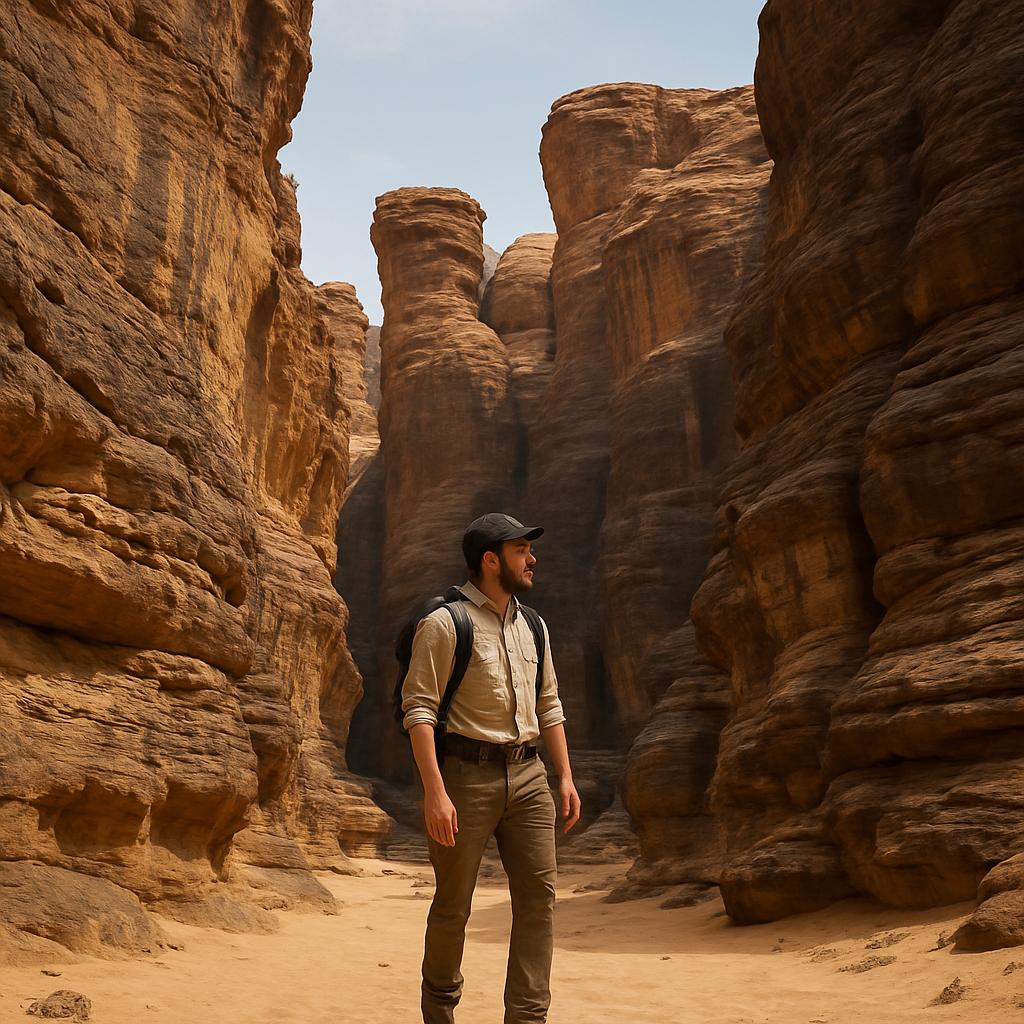
Chad is a landlocked nation in north-central Africa, bordered by Libya, Sudan, the Central African Republic, Cameroon, Nigeria, and Niger. The country’s northern regions are dominated by the Sahara Desert, while the south boasts lush savannas and the vast Lake Chad. The Sahelian belt in the center transitions between arid desert and more verdant zones. Chad’s climate varies greatly—arid in the north, tropical in the south, and semi-arid in between. The landscapes are strikingly diverse: from the dramatic Ennedi Plateau, with its sandstone arches and canyons, to the tranquil waters of Lake Chad and the rolling grasslands that support nomadic herders and wildlife.
Traditions, Historical Sites, Architecture, Museums, and Cultural Heritage
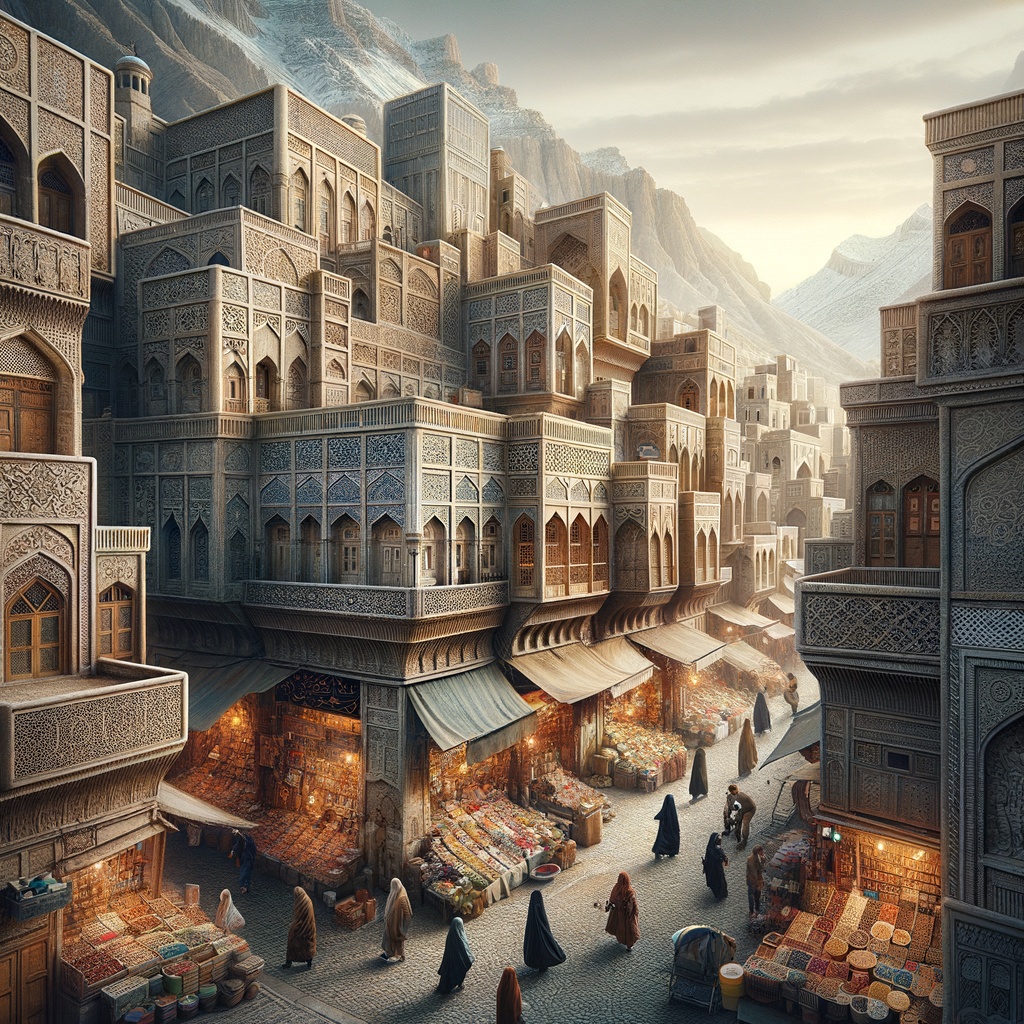
Chad’s rich cultural mosaic is shaped by over 200 ethnic groups, each with its own languages, customs, and traditions. The capital, N’Djamena, hosts the National Museum of Chad, where visitors can explore artifacts from the region’s ancient civilizations. The country’s heritage is also reflected in the centuries-old Sao ruins near Lake Chad and the rock art of the Ennedi Massif, a UNESCO World Heritage Site. Traditional architecture ranges from mud-brick homes in rural villages to ornate mosques. Festivals, music, and dance are integral to Chadian culture, offering a vibrant glimpse into the country’s communal spirit and ancestral practices.
Nature & Activities
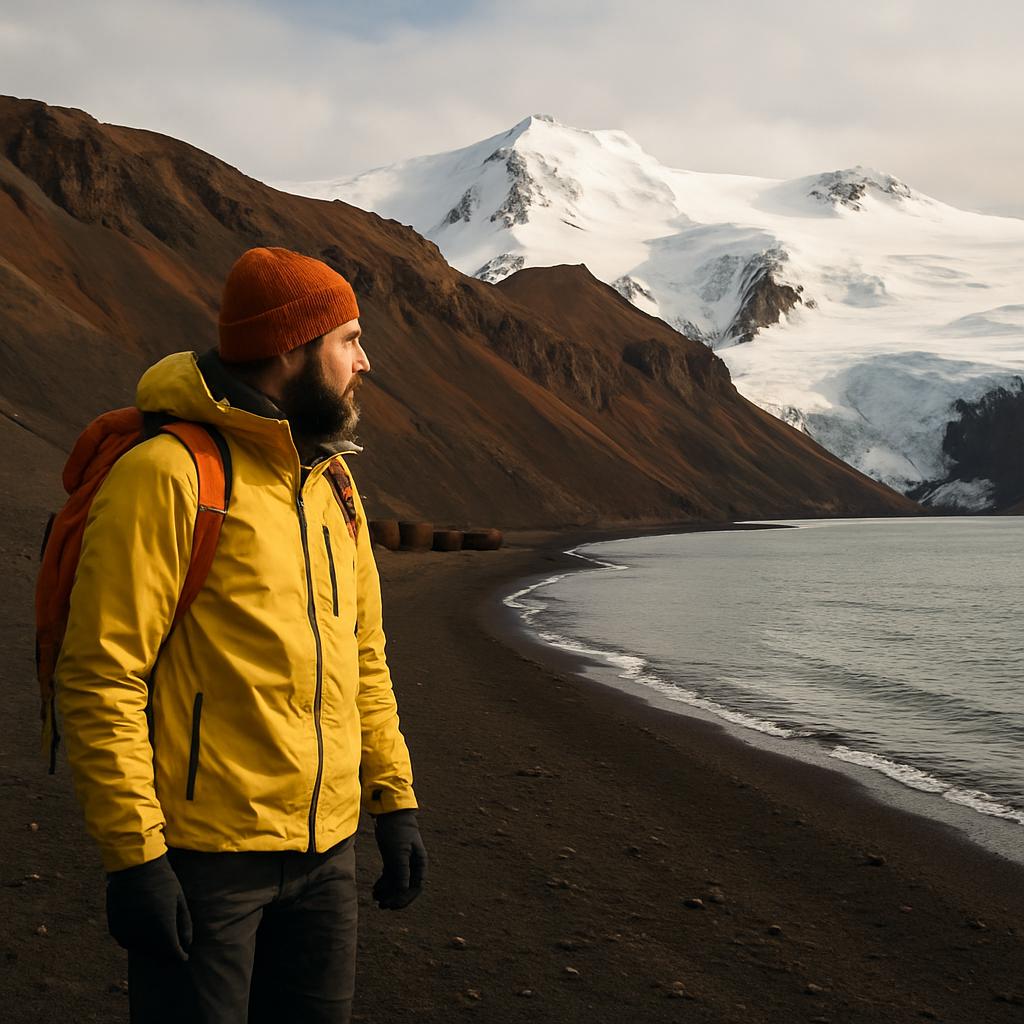
Chad’s untamed nature is a paradise for adventure seekers and wildlife enthusiasts. Zakouma National Park in the southeast is a conservation success story, home to elephants, lions, buffalo, and a wealth of birdlife. The Ennedi Plateau attracts trekkers and climbers with its surreal rock formations and hidden gueltas (desert waterholes). Lake Chad, though much reduced, is a haven for birdwatching and boat trips among the floating villages. In the north, the Tibesti Mountains offer dramatic volcanic landscapes and opportunities for camel trekking. Whether it’s exploring hidden canyons, meeting nomadic tribes, or witnessing spectacular sunsets over sand dunes, Chad promises authentic encounters with Africa’s wild heart.
Local Cuisine: Savoring Chad’s Flavors
Chad’s culinary scene is a vibrant mosaic of flavors, shaped by its ethnic diversity and Saharan influences. At the heart of local cuisine is boulala, a millet-based porridge served with rich sauces of vegetables and meats. Don’t miss jarret de boeuf (beef stew) and daraba, a hearty okra and peanut dish. In bustling markets, such as N’Djamena’s Grand Marché, you’ll find vendors selling freshly fried beignets, skewered brochettes, and spicy karkanji (hibiscus tea). For a true taste of Chad, visit a traditional maison de thé for sweet Chadian tea, or sample locally brewed millet beer in rural settlements. While upscale restaurants are scarce, several expat-run eateries in N’Djamena offer French and pan-African fare, often accompanied by imported wines or the locally distilled bil-bil. Adventurous palates can try grilled capitaine fish from Lake Chad or desert dates and camel milk in northern regions. The communal act of sharing meals, often enjoyed around a large platter, is central to the Chadian experience—so be ready to eat with your right hand and immerse yourself in the country’s warm hospitality.
Accommodation: From Rustic Camps to City Comforts
Accommodation options in Chad range from basic, family-run guesthouses to comfortable hotels in larger cities. In N’Djamena, several hotels offer air-conditioned rooms, Wi-Fi, and international cuisine, providing a welcome respite after days of exploration. Outside the capital, accommodation becomes more rustic: expect clean but simple lodges or traditional mud-brick huts, especially in remote areas near Zakouma National Park or the Ennedi Plateau. For the adventurous, organized camping under the stars is a unique way to experience the Sahara’s silence. While luxury is limited, the warmth and authenticity of Chadian hosts more than compensate. Booking ahead is essential, particularly during festival seasons or peak wildlife viewing months.
Festivals, Events, Nightlife, and Shopping
Chad’s cultural calendar is dotted with vibrant festivals that offer a window into its soul. The Gerewol Festival is perhaps the most spectacular, where Wodaabe nomads gather for a week of singing, dancing, and the famous male beauty contest. In N’Djamena, the Independence Day celebrations in August fill the streets with parades and traditional music. Though the nightlife scene is modest, a handful of bars and clubs in the capital offer live music and dancing, often blending modern beats with traditional rhythms. Shopping in Chad is an adventure in itself—markets brim with colorful textiles, handwoven baskets, ornate silver jewelry, and Tuareg leather goods. Haggle for a unique souvenir or try your hand at bargaining for aromatic spices or hand-carved wooden masks. While modern malls are virtually non-existent, it’s the open-air markets and artisan workshops that offer the richest treasures, making each purchase a story to remember.
Essential Information: Timing, Costs, and Practicalities
The best time to visit Chad is during the dry season (November to March), when temperatures are milder and roads are more accessible. Travel costs can vary: budget travelers will find basic accommodation and local food affordable, while organized tours and safaris tend to be pricier. French and Arabic are the official languages, though a smattering of local dialects is spoken across the country. The currency is the Central African CFA franc (XAF). Entry requirements include a visa, obtainable from Chadian embassies, and proof of yellow fever vaccination. While Chad is generally safe for respectful and cautious travelers, some regions remain off-limits due to security concerns—always check current advisories and travel with a reputable guide. With the right preparation, Chad’s hidden wonders are well within reach for the intrepid explorer.