Why is Deception Island Unpopular and How to Reach It
Despite its intriguing name and volcanic heritage, Deception Island remains largely unpopular due to its extreme remoteness, harsh weather, and limited accessibility. Located in the South Shetland Islands of Antarctica, it can only be reached by specialized expedition cruises or scientific missions departing from Ushuaia, Argentina, or Punta Arenas, Chile. The treacherous Drake Passage and unpredictable Antarctic conditions deter most travelers, making visits rare and fleeting. However, for the adventurous few, stepping onto this volcanic caldera promises a truly unique experience far from the typical tourist path.
Country, Region, Surroundings, Climate, and Landscapes
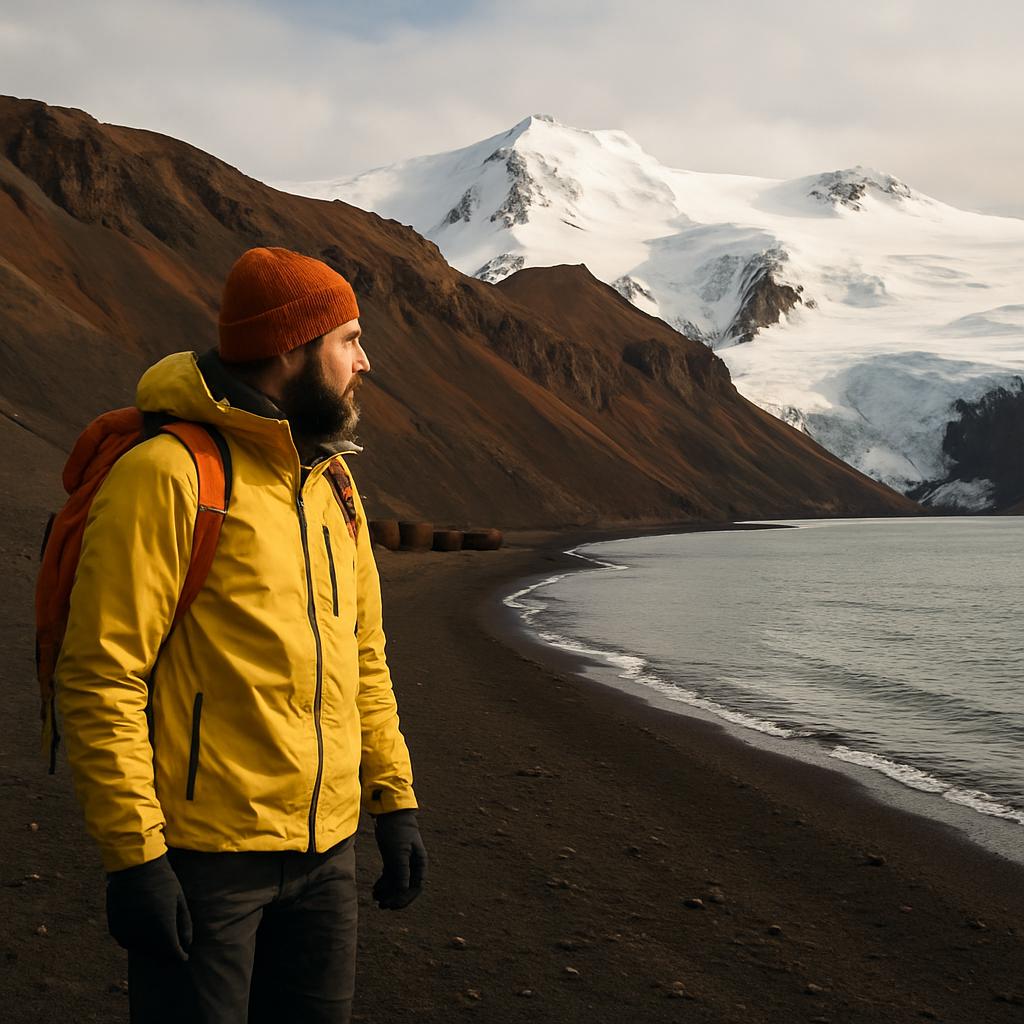
Deception Island is situated within the South Shetland Islands archipelago, governed under the Antarctic Treaty System, with no sovereign country claiming ownership. The island’s horseshoe shape is the result of a collapsed volcano, whose flooded caldera forms a natural harbor known as Port Foster. Surrounded by black volcanic sand beaches, steaming fumaroles, and rugged snowy peaks, the landscape is both haunting and breathtaking. The climate is typically Antarctic—cold, windy, and unpredictable, with temperatures rarely rising above freezing, even in summer. The raw beauty of jagged cliffs, stark glaciers, and geothermal features make this destination utterly distinctive.
Traditions, Historical Sites, Architecture, Museums, and Cultural Heritage
While Deception Island lacks a permanent population, it is steeped in the legacy of early 20th-century whalers and explorers. Visitors can wander among the haunting ruins of abandoned whaling stations, rusted boilers, and derelict buildings that once housed whalers and British Antarctic survey teams. The island’s history is preserved through these relics, offering a glimpse into the harsh lives of its former inhabitants. There are no formal museums, but the scattered remains serve as an open-air museum, telling the story of Antarctic exploration, whaling, and scientific pursuit. The island’s protected status ensures that its historical and cultural artifacts remain preserved for future generations.
Nature & Activities
Nature lovers and adventure seekers will find much to explore on Deception Island. Its geothermal activity heats sections of the beach, allowing for the surreal experience of taking a polar plunge in naturally warmed waters. Hikers can trek to viewpoints like Neptune’s Window for panoramic vistas of the caldera and surrounding Southern Ocean. The island is a haven for wildlife, including chinstrap penguins, fur seals, and a variety of seabirds. Guided zodiac cruises offer close-up encounters with the island’s dramatic coastline, caves, and ice formations. Scientific research stations occasionally welcome visitors, providing a rare insight into ongoing Antarctic studies.
Local Cuisine, Specialties, Markets, Restaurants, Wines/Drinks
Deception Island’s remote location means it doesn’t boast traditional markets, restaurants, or a local cuisine in the way other destinations do. Unlike bustling Antarctic research stations like McMurdo or King George Island, Deception Island is uninhabited except for the limited presence of scientific teams during the austral summer. Meals are typically prepared onboard expedition vessels or within research stations, featuring hearty, warming dishes designed to fuel explorers in the harsh climate. Expect robust soups, stews, and plenty of preserved goods—think smoked fish, cured meats, and root vegetables.
Dining aboard cruise ships is an international affair, with chefs often crafting menus that blend global influences and highlight fresh seafood when available. Hot drinks are a staple: mulled wine, spiced tea, and rich hot chocolate are popular choices to fend off the Antarctic chill. Don’t miss the occasional Antarctic-themed cocktail served by expedition bartenders—think gin with local glacial ice or a warming whiskey. While you won’t find bustling food markets or wine bars, the unique dining experiences amid the surreal volcanic landscape create lasting memories for every visitor.
Accommodation
Traditional hotels, lodges, or guesthouses are nonexistent on Deception Island. Overnight stays are generally limited to passengers on expedition cruise ships or, for scientists, at temporary research outposts like Spain’s Gabriel de Castilla Station or Argentina’s Decepción Station. These facilities offer basic dormitory-style quarters, focused on practicality and warmth rather than luxury.
For most travelers, their cabin onboard an ice-strengthened vessel becomes a cozy base, offering comfortable beds, private or shared facilities, and panoramic views of the volcanic caldera. Some cruises even offer the unforgettable experience of supervised “polar camping” on the island’s black sand beaches—a night wrapped in thermal sleeping bags under the Antarctic sky.
Festivals, Events, Nightlife, Shopping Opportunities
The wild, windswept isolation of Deception Island means nightlife and festivals as we know them are absent. Instead, the real events are those orchestrated by nature: watching seals bask on the volcanic sands, witnessing chinstrap penguin colonies in their daily dramas, or marveling at the midnight sun during the austral summer. Expedition teams sometimes organize impromptu gatherings onboard ships—think trivia nights, themed dinners, or lectures on Antarctic history and wildlife.
Shopping is limited to the small souvenir stalls found on some larger cruise ships, where you can purchase Deception Island patches, Antarctic postcards, or local crafts made by station staff. Scientific research stations occasionally offer limited memorabilia, such as station badges or stamps. The true “nightlife” here is the camaraderie shared with fellow adventurers, swapping stories in the ship’s lounge while the Antarctic night glows outside, or taking a bracing dip in the island’s geothermal-heated waters—a quirky tradition known as the “polar plunge.”
Best Time to Visit, Costs, Safety, Language, Currency, Entry Requirements
The best time to visit Deception Island is during the Antarctic summer (November to March), when milder temperatures and longer daylight hours allow safe landings. Costs are substantial due to the remote access, with expedition cruises ranging from several thousand to tens of thousands of US dollars, depending on itinerary and vessel comfort.
Safety is paramount—always travel with an accredited operator, follow strict environmental protocols, and respect wildlife. English is widely spoken among guides and scientists, though Spanish and other languages may be heard at research stations. There’s no local currency; transactions are handled aboard ships, usually in US dollars or euros. Entry is regulated by the Antarctic Treaty—no visa is required, but bookings must be made with recognized tour operators, and strict conservation rules apply.