
Why Sierra Leone Remains an Unpopular Destination and How to Get There
Despite its breathtaking scenery and vibrant culture, Sierra Leone is rarely found on popular travel itineraries. The country’s relative anonymity stems from its troubled past, including a civil war and health crises that dominated headlines in previous decades. However, peace and stability have returned, making it a safe and inviting destination. Reaching Sierra Leone is straightforward: direct international flights arrive at Lungi International Airport near Freetown, with connections from hubs like London and Casablanca. From the airport, a short ferry or boat ride will whisk you to the heart of Freetown, Sierra Leone’s lively capital.
Country, Region, Surroundings, Climate, and Landscapes
Nestled on the west coast of Africa, Sierra Leone is bordered by Guinea and Liberia, with the Atlantic Ocean embracing its western shores. The country’s topography is a tapestry of golden beaches, lush rainforests, verdant hills, and rolling savannahs. The capital, Freetown, sits on a scenic peninsula fringed by palm-lined beaches, while the interior reveals misty mountains and the Loma Massif, crowned by Mount Bintumani, Sierra Leone’s highest peak. The tropical climate ushers in warm temperatures year-round, with a distinct rainy season from May to November and a drier period from December to April. The natural beauty is complemented by wildlife-rich reserves and untamed rivers, offering a sense of untouched wilderness.
Traditions, Historical Sites, Architecture, Museums, and Cultural Heritage
Sierra Leone boasts a rich tapestry of traditions influenced by more than a dozen ethnic groups, with the Krio people’s language and customs prominent in Freetown. The capital’s historic core features colonial-era architecture, including the iconic Cotton Tree and remnants of 18th-century buildings erected by freed slaves. The National Museum in Freetown showcases artifacts from the nation’s complex history, including masks, textiles, and relics from the country’s founding. Bunce Island, a UNESCO tentative site, stands as a haunting reminder of the transatlantic slave trade, offering guided tours that delve into Sierra Leone’s pivotal role in world history. Colorful festivals, traditional music, and dance keep ancestral customs alive across the country.
Nature & Activities
Nature lovers will be enchanted by Sierra Leone’s wild places. The pristine beaches of the Freetown Peninsula—such as River Number Two and Tokeh—are perfect for swimming, sunbathing, and water sports. Inland, Tiwai Island Wildlife Sanctuary offers guided walks to spot rare pygmy hippos, monkeys, and over 135 bird species. For the more adventurous, hiking Mount Bintumani reveals panoramic views and encounters with remote villages. The Outamba-Kilimi National Park in the north is a haven for elephants, chimpanzees, and hippos. Ecotourism initiatives, river cruises, and cultural exchanges with local communities provide immersive experiences, while the country’s laid-back vibe ensures every traveler finds their own adventure.
Größere Karte anzeigen
“`html
Local Cuisine: A Taste of Sierra Leone
Sierra Leone’s culinary landscape is as vibrant as its culture. Local cuisine is characterized by fresh seafood, spicy stews, and a medley of tropical produce. Don’t miss cassava leaf stew—a national favorite, rich with flavors of smoked fish, chicken, and groundnuts, simmered with local greens. Jollof rice, a West African staple, is served at almost every gathering, while pepper soup and fried plantains make for perfect street-side snacks.
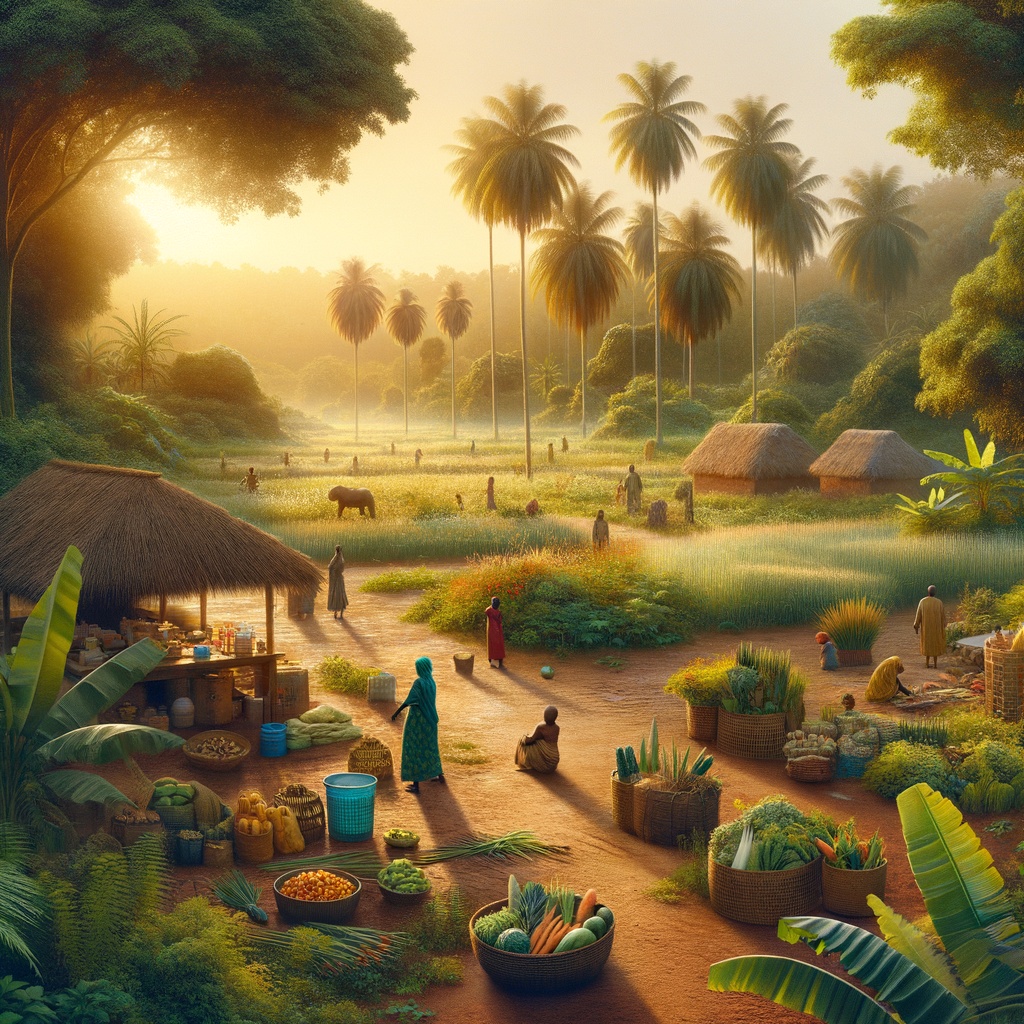
Markets such as Big Market in Freetown offer a feast for the senses, from freshly caught barracuda to vibrant fruit stalls. Here, you can sample homemade ginger beer or try the local palm wine—a sweet, slightly fermented drink tapped from palm trees. For dining out, restaurants like Basha Bakery and The Hub serve up both local and international fare, often accompanied by dramatic ocean views. The nightlife scene offers lively bars where you can sip Star Beer—the pride of Sierra Leonean breweries. Exploring the food scene is a delicious adventure that reveals the warmth and hospitality of the people.
Accommodation: Where to Stay
Whether you’re seeking luxury or budget-friendly comfort, Sierra Leone caters to a range of travelers. In Freetown, upscale options like Radisson Blu Mammy Yoko Hotel and The Place Resort at Tokeh Beach provide elegant rooms, pools, and direct beach access. For a more immersive local experience, consider eco-lodges and guesthouses such as Daltons Banana Guesthouse on Banana Island, which offer rustic charm and friendly service. Budget travelers will find affordable hostels and lodges in most towns, often with communal spaces that make it easy to meet fellow adventurers. No matter where you stay, you’ll be greeted with genuine Sierra Leonean hospitality.
Festivals, Events, Nightlife, and Shopping
Sierra Leone’s calendar is dotted with colorful festivals and lively events. One highlight is the Freetown Music Festival, a celebration of local and international artists that fills the city with rhythm and joy. The Masquerade Festivals, held in various communities, showcase traditional dance, elaborate costumes, and pulsating drumming that reflect the country’s rich heritage.
The nightlife in Freetown offers a blend of laid-back beach bars and vibrant clubs. Lumley Beach is the heart of after-dark entertainment, with open-air venues like Aquarius Nightclub and cozy lounges where locals and visitors mingle over cocktails and live music. Shopping enthusiasts will love browsing the Big Market and Lumley Craft Market for handmade jewelry, carved masks, colorful textiles, and unique souvenirs. Don’t forget to haggle—it’s all part of the fun! Whether you’re dancing under the stars or discovering artisan treasures, Sierra Leone’s social scene is both welcoming and unforgettable.
Practical Information: When and How to Visit
The best time to visit Sierra Leone is during the dry season from November to April, when the weather is sunny and ideal for beach trips and wildlife watching. Traveling here is generally affordable, with moderate costs for food, accommodation, and transportation, though luxury options are available.
English is the official language, making communication easy for most visitors. The local currency is the Leone (SLL). For safety, exercise normal precautions; avoid isolated areas at night and keep valuables secure. Entry requirements include a visa for most nationalities, which can often be obtained online or on arrival, and a valid yellow fever certificate. With some planning and an open mind, Sierra Leone offers a safe, friendly, and truly memorable adventure.
“`