
Why Pitcairn Island Remains Unpopular and How to Reach It
Nestled in the vast expanse of the South Pacific, Pitcairn Island is one of the world’s most remote inhabited islands. Its unpopularity stems from its extreme isolation—accessible only by a multi-day sea voyage from Mangareva in French Polynesia, as there is no airport on the island. With no regular commercial flights and limited ship services, getting to Pitcairn is a true adventure, attracting only the most intrepid travelers. The small population and lack of mainstream tourist infrastructure further add to its status as an off-the-beaten-path destination.
Location, Region, Surroundings, Climate, and Landscapes
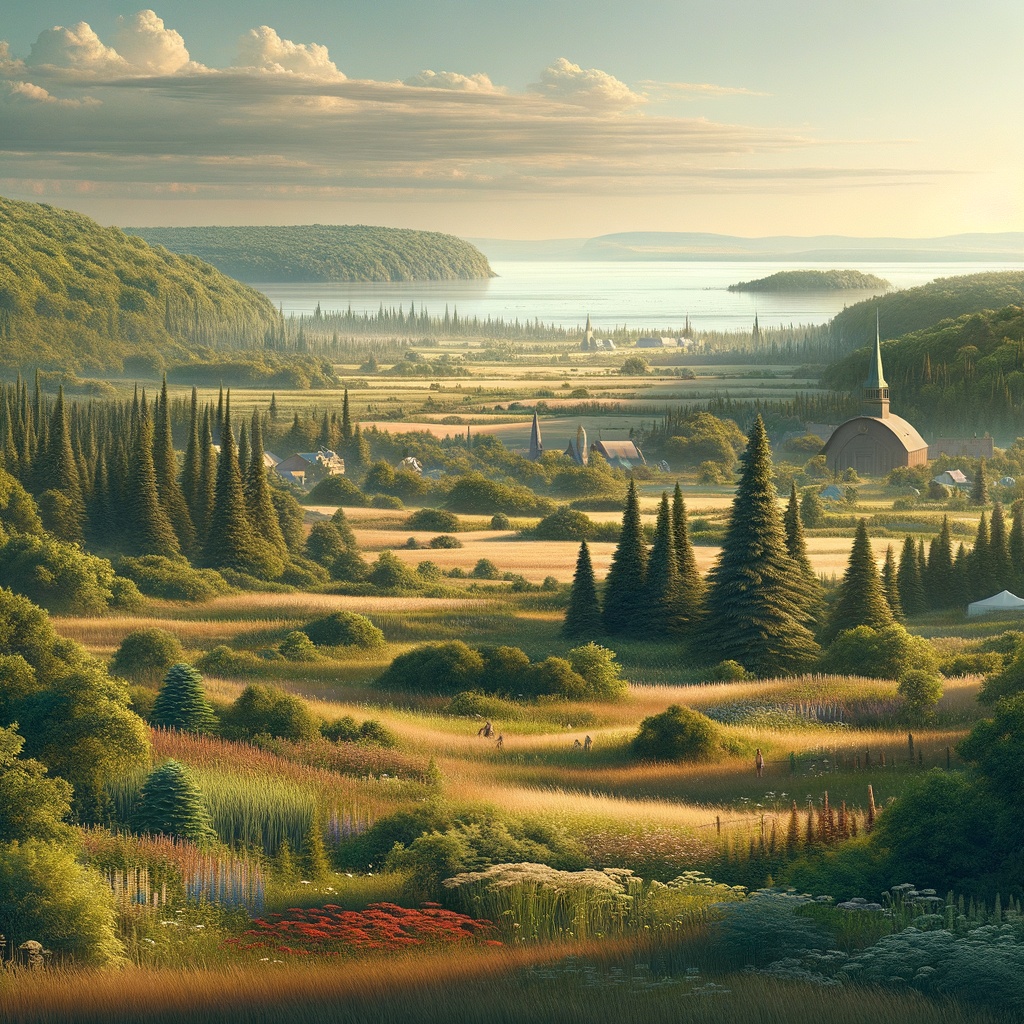
Pitcairn Island is a British Overseas Territory located in the southern Pacific Ocean, roughly halfway between New Zealand and Peru. It is the only inhabited island of the Pitcairn group, which also includes Henderson, Ducie, and Oeno Islands. Surrounded by endless blue waters and dramatic cliffs, Pitcairn covers only about 4.6 square kilometers. The island’s subtropical climate brings warm temperatures year-round, with occasional storms in the wet season from November to March. Lush forests, volcanic hills, and rugged coastline define the landscape, with panoramic vistas overlooking pristine coves and the sparkling ocean stretching to the horizon.
Traditions, Historical Sites, Architecture, Museums, and Cultural Heritage
Pitcairn’s unique heritage is deeply tied to its origins as the final refuge of the HMS Bounty mutineers and their Polynesian companions in 1790. The descendants of these settlers make up the island’s tiny population, and their legacy permeates local culture. Adamstown, the island’s only settlement, features traditional wooden homes and the historic Bounty Bible, preserved in the modest museum. The grave of John Adams, the last surviving mutineer, is a poignant site, while the community church and remnants of the Bounty anchor and cannon offer tangible links to the past. Local crafts, especially wood carvings, reflect the islanders’ enduring connection to history and tradition.
Nature & Activities
Pitcairn Island is a paradise for nature lovers and adventure seekers. The untouched environment teems with endemic flora, including the rare yellow fatu flower, and a variety of bird species such as the white tern and the fairy tern. Hiking trails wind through lush forests and up to the island’s highest point, offering breathtaking views of the Pacific. The surrounding marine environment is equally spectacular, with opportunities for snorkeling, diving, and fishing in crystal-clear waters. Visitors can explore hidden caves, swim at St. Paul’s Pool—a natural rock pool—or simply immerse themselves in the tranquility of island life, far from the modern world.
Local Cuisine and Specialties
Pitcairn Island’s culinary scene is an intriguing blend of Polynesian influence and British heritage. With no formal restaurants, meals are typically shared in homes or prepared by guesthouse hosts, offering a genuine taste of local life. The islanders rely heavily on what they can grow, catch, or import. Fresh fish like wahoo, tuna, and snapper are daily staples, often served grilled or in hearty stews. Tropical fruits—bananas, passionfruit, breadfruit, and pawpaw—abound, making their way into jams, chutneys, or simply eaten fresh. Honey from Pitcairn’s pesticide-free bees is a prized delicacy, frequently gifted or sold to visitors.
Pitcairn’s small general store stocks imported goods, but availability can be hit or miss. Alcohol is limited, though homemade wine is sometimes offered, providing a rare treat for those eager to sample local flavors. Tea is a daily ritual, a nod to the island’s British ties. While the absence of restaurants means dining out isn’t an option, the warm hospitality of islanders ensures every meal is an occasion.
Accommodation
Accommodation on Pitcairn is limited but welcoming. There are no hotels—most visitors stay in guesthouses run by local families, offering private rooms or self-contained cottages with essential amenities. These lodgings provide not just comfort but also a chance to immerse yourself in island life, as hosts often double as guides and storytellers. Booking ahead is essential due to the island’s small capacity. While luxury is scarce, the authentic hospitality and stunning views more than compensate, making every stay feel personal and unique.
Festivals, Events, Nightlife, and Shopping
Life on Pitcairn is tranquil, and while large festivals are rare, the islanders celebrate key events such as Bounty Day on January 23rd, marking the arrival of the HMS Bounty mutineers. This day features communal feasting, storytelling, and traditional games. Christmas and other holidays are celebrated with shared meals and church services, drawing the whole community together.
Nightlife is virtually nonexistent—after dark, the island falls quiet, aside from informal gatherings where stories and music are shared. Visitors seeking entertainment will find it in the form of stargazing, or joining locals for an evening chat over a cup of tea or homemade wine. Shopping opportunities are limited to the island’s small general store and souvenir stands, where you can purchase Pitcairn honey, handmade crafts, wood carvings, and stamps—coveted by collectors worldwide. These keepsakes are reminders of your rare visit to one of the world’s most remote inhabited islands.
Practical Information: When to Visit, Costs, Safety, and More
The best time to visit Pitcairn Island is between May and October, when the weather is mild and dry. Travel here is expensive—expect to pay a premium for transport, accommodation, and supplies due to the island’s remoteness. Safety is rarely a concern; crime is virtually nonexistent, and the close-knit community looks out for one another. English is the official language, though you’ll also hear “Pitkern,” a unique Creole dialect. The New Zealand dollar is the main currency, and cash is king since credit card facilities are limited. Entry requires a visa, which must be arranged in advance, and visitors need to show proof of return travel and accommodation. The logistical challenges are real, but the reward is an unforgettable adventure into true isolation.