Why is Mestia Unpopular and How to Reach It?
Mestia remains a relatively unpopular travel destination due to its remote location in the highlands of the Caucasus Mountains and the limited transportation infrastructure. The journey to Mestia is an adventure in itself, involving either a long drive from Kutaisi or Zugdidi through winding mountain roads, or a small propeller plane flight from Tbilisi to the tiny Mestia airport, subject to weather conditions. This seclusion, while deterring mass tourism, preserves Mestia’s authenticity and charm for those willing to make the trek.
Country, Region, Surroundings, Climate, and Landscapes
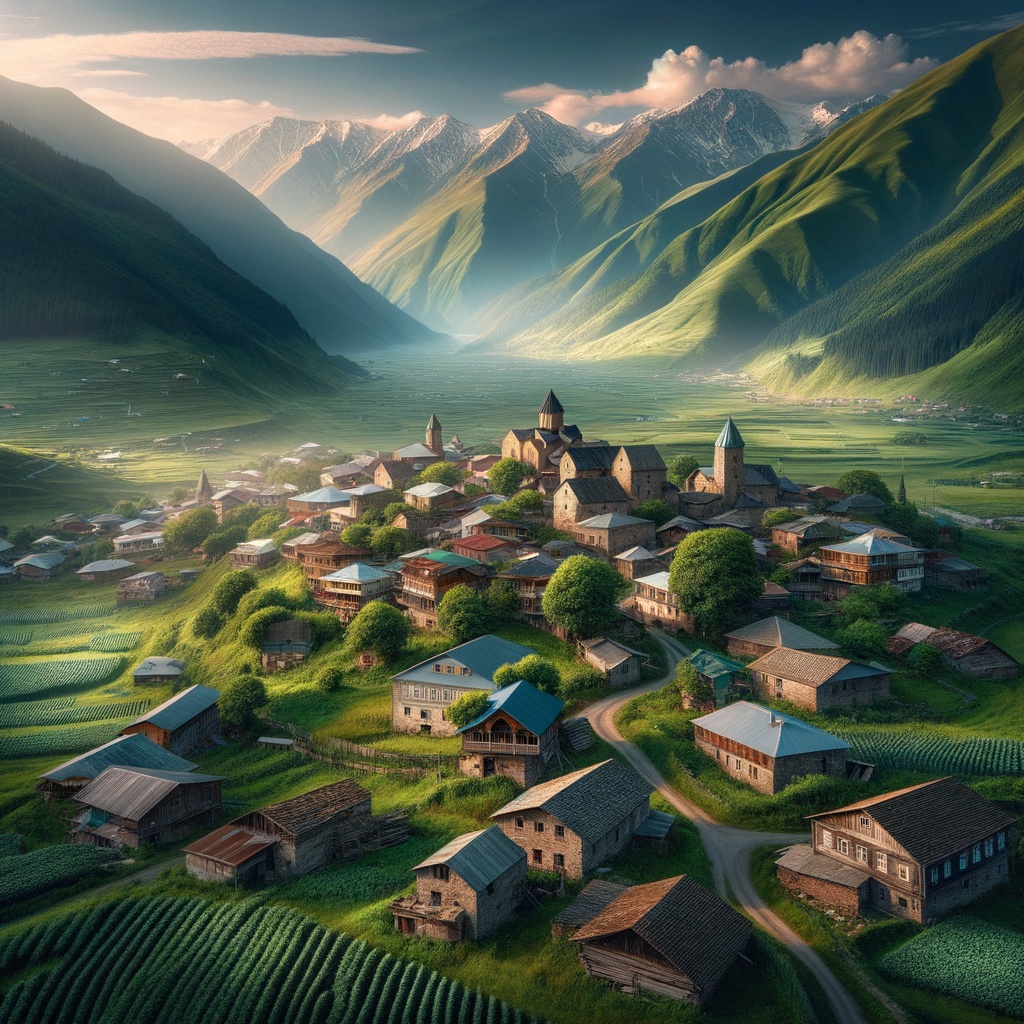
Mestia is nestled in the Svaneti region of northwestern Georgia, a land renowned for its dramatic mountain scenery and ancient traditions. Perched at an elevation of around 1,500 meters, the village is surrounded by towering peaks, deep valleys, and lush alpine meadows. The climate is characterized by cool summers and snowy, picturesque winters, making it a year-round destination for nature lovers. The landscape is dominated by the jagged summits of the Greater Caucasus, glacial rivers, and pristine forests, offering breathtaking panoramas at every turn. The region’s isolation has helped preserve its natural beauty and unique way of life.
Traditions, Historical Sites, Architecture, Museums, and Cultural Heritage
Mestia is the heart of Svan culture, known for its distinctive traditions and centuries-old heritage. The village is dotted with iconic Svan towers—medieval stone structures built between the 9th and 13th centuries for defense against invaders and avalanches. The architecture blends stone and wood, reflecting both resilience and artistry. The Svaneti History and Ethnography Museum houses a remarkable collection of religious icons, manuscripts, and traditional costumes, offering a glimpse into the region’s rich past. Locals speak the Svan language and maintain customs like polyphonic singing and unique culinary traditions, making Mestia a living repository of Georgian heritage.
Nature & Activities
Adventurers and nature enthusiasts will find plenty to do in Mestia’s wild surroundings. The area is a gateway to some of the most spectacular trekking routes in the Caucasus, including multi-day hikes to the remote village of Ushguli or glacier walks to the foot of Mount Ushba. In summer, visitors can enjoy mountain biking, horseback riding, and paragliding, while winter turns Mestia into a skiing and snowboarding haven with its fresh powder and uncrowded slopes. Birdwatching, wildflower spotting, and exploring pristine alpine lakes round out the outdoor experiences, ensuring every nature lover leaves with unforgettable memories.
Local Cuisine and Gastronomic Delights
Mestia’s culinary scene is a delightful journey into the heart of Svaneti culture. The village boasts an array of family-run restaurants and cozy guesthouses where age-old recipes are prepared with local ingredients. A must-try is kubdari, a savory bread stuffed with spiced meat, renowned as the region’s signature dish. Tashmijabi, a hearty blend of mashed potatoes and local cheese, is another Svan specialty that pairs perfectly with the region’s robust dishes. Markets in Mestia come alive with the aroma of mountain herbs, honey, and fresh produce, inviting visitors to sample homemade pickles and jams.
The Svaneti region is also known for its unique wine, made from indigenous grape varieties grown on sun-kissed mountain slopes. Many restaurants serve house wine and chacha, a potent Georgian spirit distilled from grape pomace. For an authentic experience, enjoy a leisurely dinner at a rustic restaurant, where toasts are raised with local wine and meals are shared in true Georgian hospitality. Don’t miss the chance to browse small markets and bakeries, where you can taste freshly baked khachapuri and sample local cheeses that have been perfected over generations.
Accomodation: Where to Stay
Mestia offers a variety of lodgings that cater to every traveler’s needs, from budget hostels to charming family-run guesthouses and boutique hotels. Many accommodations are traditional Svanetian homes converted for guests, allowing you to immerse yourself in the region’s culture while enjoying modern comforts. Wake up to breathtaking views of snow-capped peaks and the sound of mountain streams outside your window. Warm hospitality is a hallmark here—hosts often greet guests with homemade meals and local wine. For those seeking more amenities, several hotels in Mestia’s center offer comfortable rooms, Wi-Fi, and easy access to the village’s main attractions. Booking in advance is recommended, especially during the summer and festival seasons.
Festivals, Events, Nightlife, and Shopping
Despite its tranquil atmosphere, Mestia comes alive with vibrant festivals and community events throughout the year. One of the most celebrated is the Lamproba Festival, held in February to commemorate ancestors with torchlight processions and traditional music. In summer, the Svaneti Music Festival draws visitors and locals alike to enjoy folk dances, polyphonic singing, and local crafts. These events offer a glimpse into the soul of Svaneti, where ancient customs meet joyous celebration.
Nightlife in Mestia is intimate and convivial rather than bustling. After sunset, travelers gather in cozy taverns, sharing stories over glasses of wine or chacha, often accompanied by impromptu live music. Shopping opportunities are centered around small markets and artisan stalls, where you can purchase handwoven carpets, felt hats, and intricately carved wooden souvenirs—unique mementos of your time in the mountains. Don’t miss the chance to chat with local artists, whose crafts reflect the spirit and traditions of Svaneti.
Practical Tips: When to Go, Costs, and Essentials
The best time to visit Mestia is from late spring to early autumn (May–October), when trails are open and the weather is perfect for hiking and sightseeing. Winter attracts skiing enthusiasts, but access can be limited due to snow. Mestia is affordable compared to European destinations; meals, accommodation, and excursions are budget-friendly, though prices may rise during festivals. The village is safe, with friendly locals always ready to assist. Georgian is the main language, but basic Russian and some English are spoken in hotels and tourist spots. The currency is the Georgian Lari (GEL), and ATMs are available in town. Most travelers can enter Georgia visa-free or with an e-visa; check requirements for your nationality before traveling.