Why Kolmanskop is Unpopular and How to Reach It
Kolmanskop, once a thriving diamond mining town, now sits eerily abandoned in Namibia’s southern desert. Its remote location and harsh climate keep it off most tourists’ itineraries. The town is reached by flying into Lüderitz Airport, then driving about 10 kilometers east through the barren Namib Desert. Special permits are required to enter, as Kolmanskop lies within the Sperrgebiet (Forbidden Zone), further adding to its elusive reputation. The isolation and strict access limits have preserved its haunting beauty, making it a compelling—if overlooked—destination for adventurous travelers.
Country, Region, Surroundings, Climate, and Landscapes
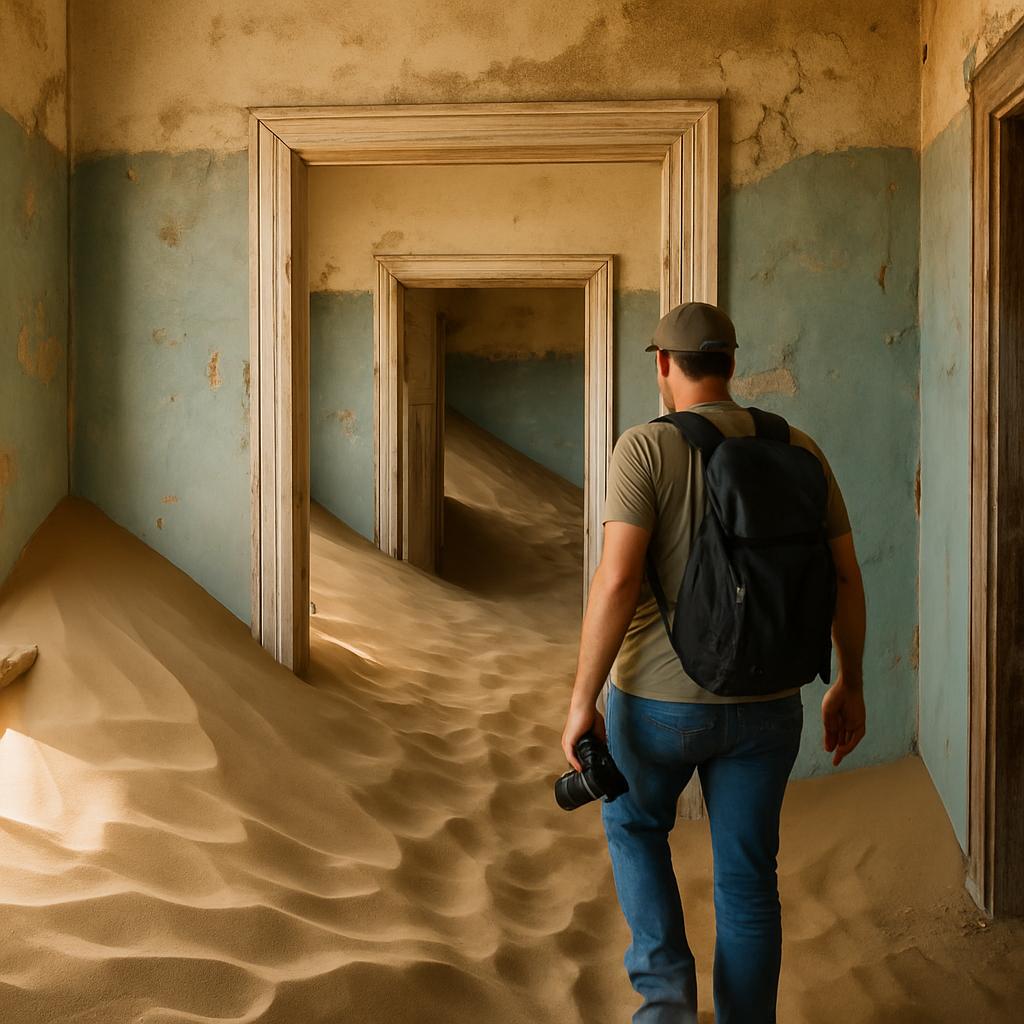
Kolmanskop is located in southern Namibia, within the vast Namib Desert, just inland from the windswept Atlantic coast. The region is defined by endless sand dunes, shimmering salt pans, and stark, arid plains. Lüderitz, the nearest town, is a coastal settlement known for its colonial architecture and dramatic seascapes. Namibian climate here is extremely dry, with scorching daytime temperatures and chilly nights, especially during winter months. The landscape is surreal: sand has invaded every corner of Kolmanskop, filling abandoned houses and buildings, creating a mesmerizing blend of human history and desert wilderness. The silence and emptiness amplify the ghostly atmosphere.
Traditions, Historical Sites, Architecture, Museums, and Cultural Heritage
Kolmanskop’s story began during the early 1900s diamond rush, attracting German settlers who built a mini-European enclave in the heart of the desert. The architecture reflects this heritage, with ornate mansions, a grand ballroom, a hospital, and a skittle alley—all now succumbing to the sands. Guided tours explore these well-preserved ruins, offering insights into the opulent lifestyles and rapid decline of the town. Though no longer inhabited, Kolmanskop stands as a museum in itself, preserving relics of colonial ambition and the rise and fall of boomtown culture. Its unique blend of German tradition and Namibian desert harshness creates a haunting, unforgettable legacy.
Nature & Activities
Nature lovers and photographers are drawn to Kolmanskop’s dramatic contrast between decaying buildings and encroaching dunes. The shifting sands transform the site daily, making each visit unique. Wildlife is scarce but sightings of desert-adapted animals—like oryx and jackals—add to the adventure. Popular activities include guided historical tours, exploring and photographing the surreal interiors flooded with sunlight and sand, and day trips to nearby attractions such as the wild Atlantic coastline or the ghostly Bogenfels rock arch. For those seeking solitude, stark beauty, and a tangible sense of history reclaimed by nature, Kolmanskop offers an experience like no other.
Local Cuisine and Dining Experiences
While Kolmanskop itself is a deserted ghost town, the nearby coastal town of Lüderitz serves as the culinary gateway to the region. Lüderitz is famous for its fresh seafood, particularly oysters, lobsters, and the renowned Lüderitz crayfish. Local bistros and restaurants, such as the Diaz Coffee Shop and Barrels Restaurant, serve up Namibian specialties like biltong (spiced dried meat), boerewors (farmers’ sausage), and kapana (street-style grilled beef). Don’t miss out on the fresh Atlantic oysters, which are among the best in Southern Africa, often paired with crisp South African Sauvignon Blanc or locally brewed beers.
Lüderitz Market offers a taste of local life, with stalls selling homemade jams, fresh produce, and Namibian crafts. For drinks, try the Namibian Windhoek Lager or explore South African wine lists featured in most restaurants. Adventurous foodies may want to sample game meats such as springbok and oryx, often served with traditional sides like pap (maize porridge). The food scene is unpretentious yet memorable, blending German colonial influences with African ingredients, making every meal a cultural experience.
Accommodation Options
While you cannot stay inside Kolmanskop itself, accommodation options in nearby Lüderitz cater to a range of tastes and budgets. Charming guesthouses like Nest Hotel offer stunning ocean views and easy access to the ghost town. For a more intimate experience, consider family-run bed & breakfasts such as Obelix Guesthouse or Sea-View Zum Sperrgebiet, both known for their warm hospitality and hearty breakfasts. Budget travelers will find cozy hostels and self-catering apartments, while those seeking luxury can opt for boutique hotels with amenities such as swimming pools, spas, and guided tours. Booking in advance is strongly recommended, especially during festival periods or the high season.
Festivals, Events, Nightlife, and Shopping
Lüderitz injects color and energy into the stark desert landscape, especially during its annual Crayfish Festival each April, when locals and visitors gather to celebrate the region’s prized seafood with feasts, music, and cultural performances. The Lüderitz Speed Challenge, a world-famous windsurfing and kitesurfing event, draws adrenaline junkies every year, adding international flair to the otherwise tranquil town.
While nightlife is relaxed, a handful of bars and pubs, such as Barrels and Ritzi’s, offer cold drinks and live music on weekends. Shopping opportunities abound in quirky local boutiques, where you can pick up unique souvenirs like hand-carved ostrich eggs, Namibian gemstones, or crafts made from desert sands. Art galleries showcase works inspired by the haunting beauty of Kolmanskop and the surrounding Namib Desert. Though the scene is low-key, it’s easy to immerse yourself in the local rhythm, whether sipping sundowners by the Atlantic or browsing artisan stalls at the town market.
Travel Tips: When to Go, Costs, Safety, and Practicalities
The best time to visit Kolmanskop is during Namibia’s cooler, drier months from May to September, when temperatures are pleasant and skies clear for photography. Entry fees to Kolmanskop are moderate, with guided tours included in the ticket price. Lüderitz offers accommodation for every budget, though costs are slightly higher during festivals. Namibia is generally safe for tourists, but exercise standard precautions and avoid wandering Kolmanskop’s dilapidated areas alone.
English is widely spoken, though you’ll also hear Afrikaans and German. The local currency is the Namibian Dollar (NAD), pegged to the South African Rand, which is also accepted. Most nationalities require a visa on arrival or in advance; check with Namibian consulates for the latest requirements. Bring cash for remote areas and always carry sun protection—the desert can be unforgiving!